What boxing actually is, and why people start
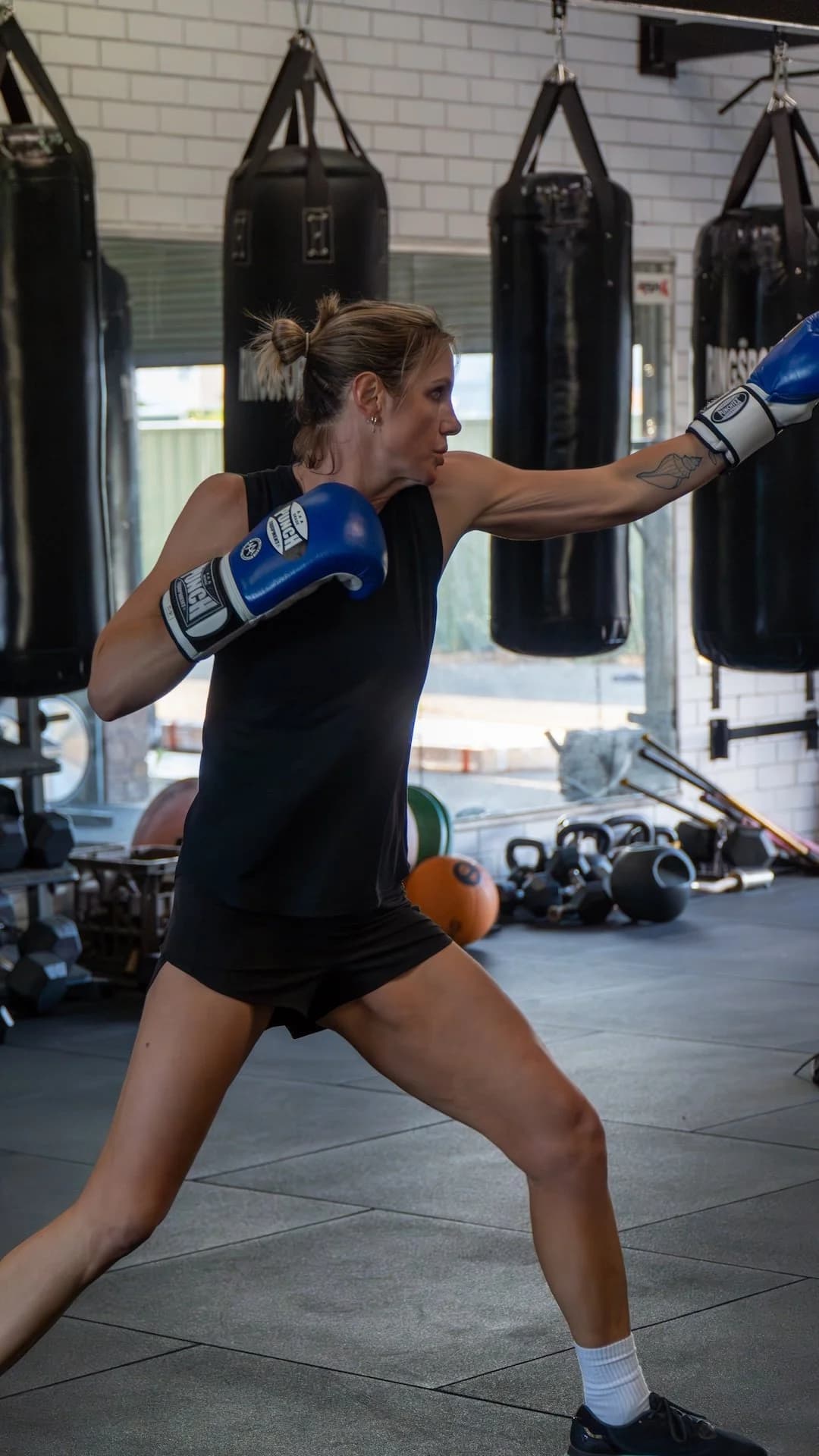
Boxing is a hands-only striking discipline. Punches are thrown from a balanced stance using four core shots, the jab, cross, hook and uppercut, with defence built around head movement, parries and footwork rather than blocks. Every round of every session pressure-tests the same small skill set, which is why a beginner can see real improvement inside the first month if they show up two to three times a week.
Most people start boxing for one of three reasons: a fitness goal that traditional gyms have stopped delivering on, an interest in competing at amateur level, or the carry-over benefits of head movement, balance and composure under pressure. None of those goals are mutually exclusive, but they do change which Perth gym is the right pick. Competition rooms run heavier sparring blocks and expect a higher attendance baseline. Fitness-first rooms shift the same fundamentals into circuit format with optional pads. Both are legitimate; matching them to the right person is the directory's job.
Boxing vs Muay Thai, MMA and BJJ
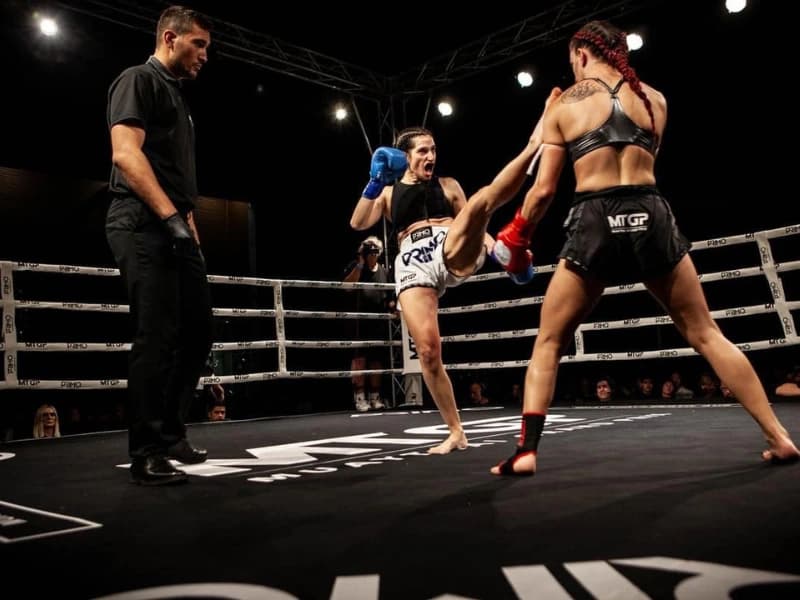
Boxing trains four punches and the footwork, head movement and conditioning that supports them. Muay Thai adds kicks, knees, elbows and the clinch, which slows striking exchanges and rewards different conditioning. MMA layers grappling on top of striking, so a typical session splits between standup, wrestling and ground work. BJJ removes striking entirely and focuses on positional grappling and submissions on the mat.
For a beginner, the practical difference is how much technical surface area each art asks you to learn before you feel competent. Boxing has the steepest narrow focus and the shortest path to a usable jab and cross. Muay Thai takes longer to feel coordinated because the legs need conditioning. MMA is the broadest and the most physically demanding to train multiple times a week. BJJ has the lowest impact and the longest skill curve. None of those tradeoffs are about quality, only about what you want to spend your time learning.
What a first boxing class actually looks like
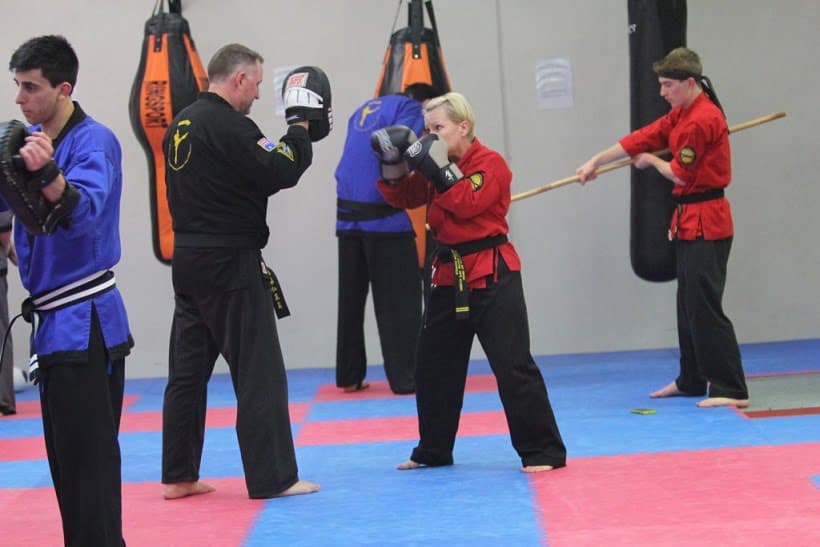
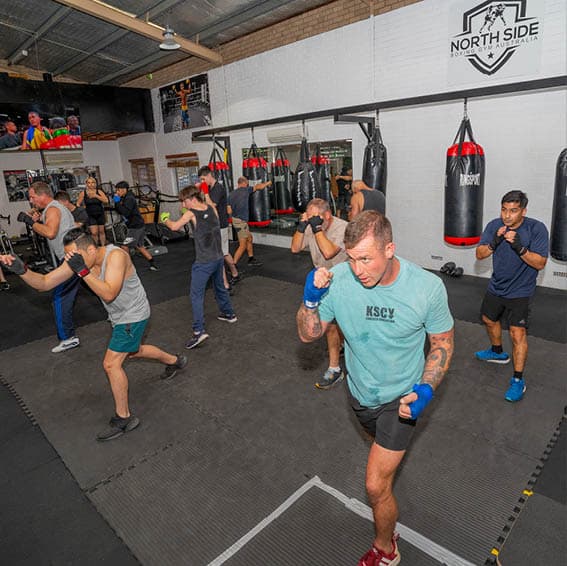
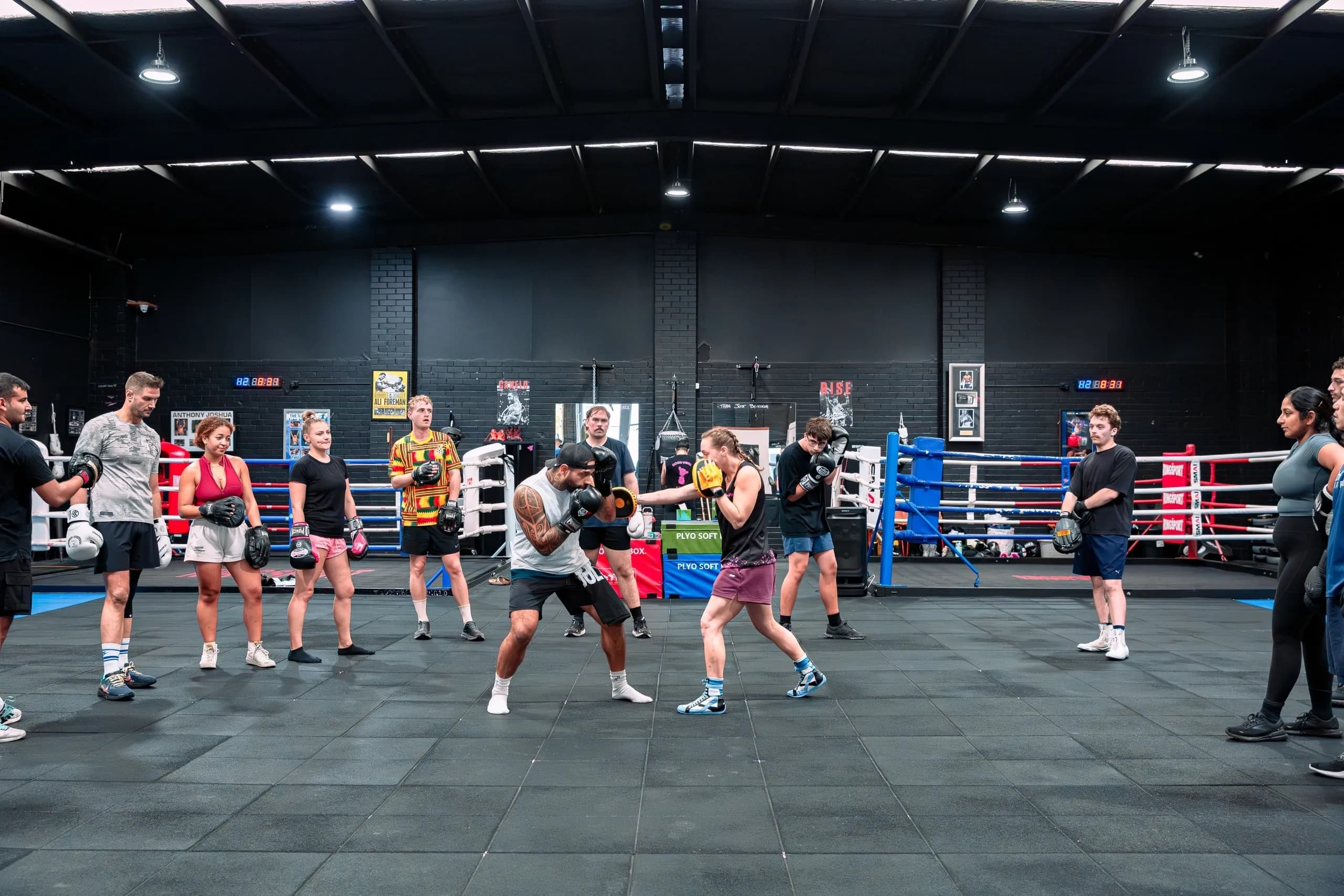
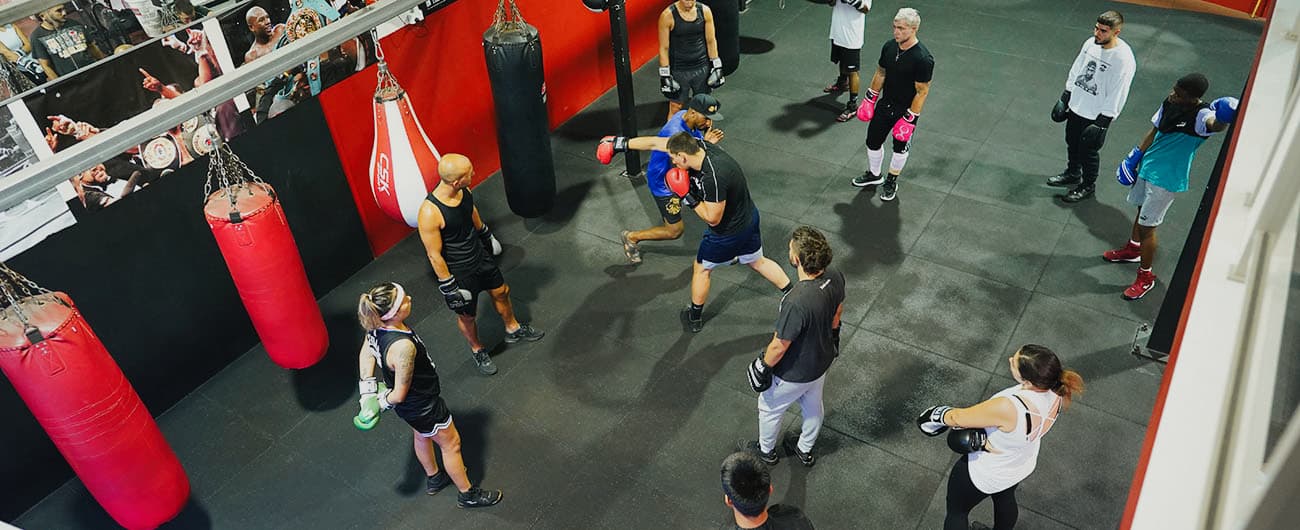
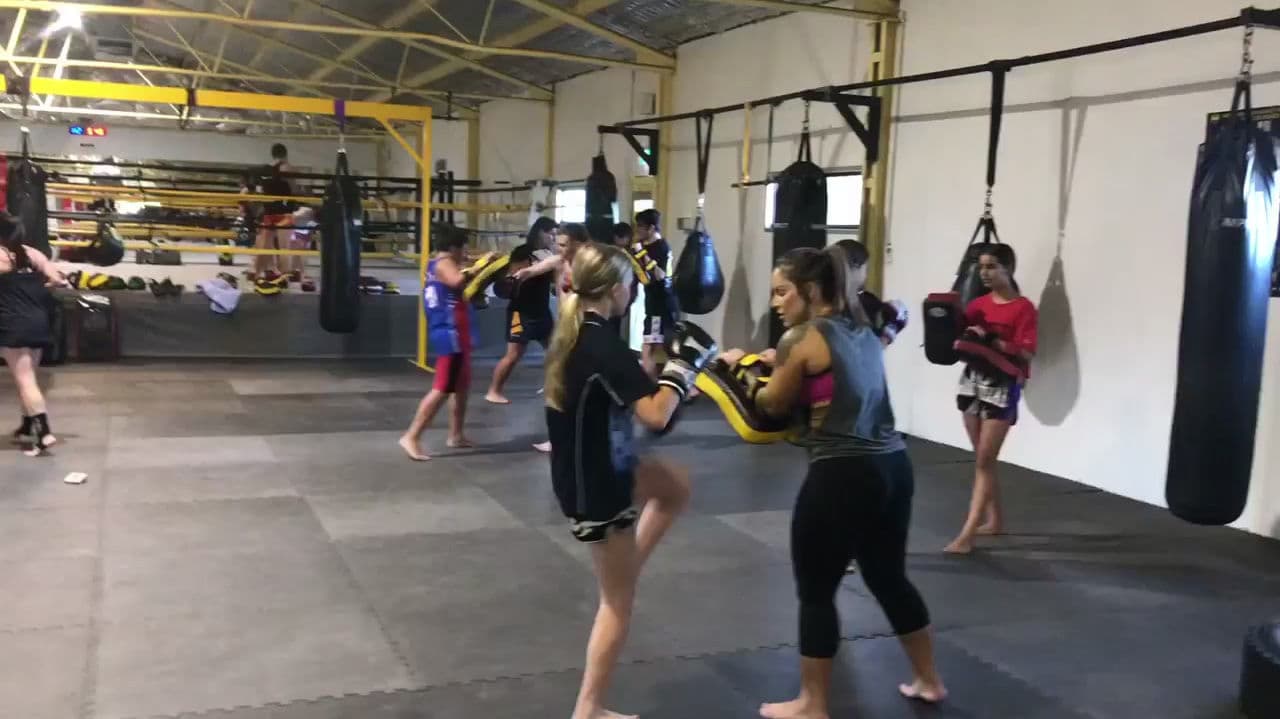
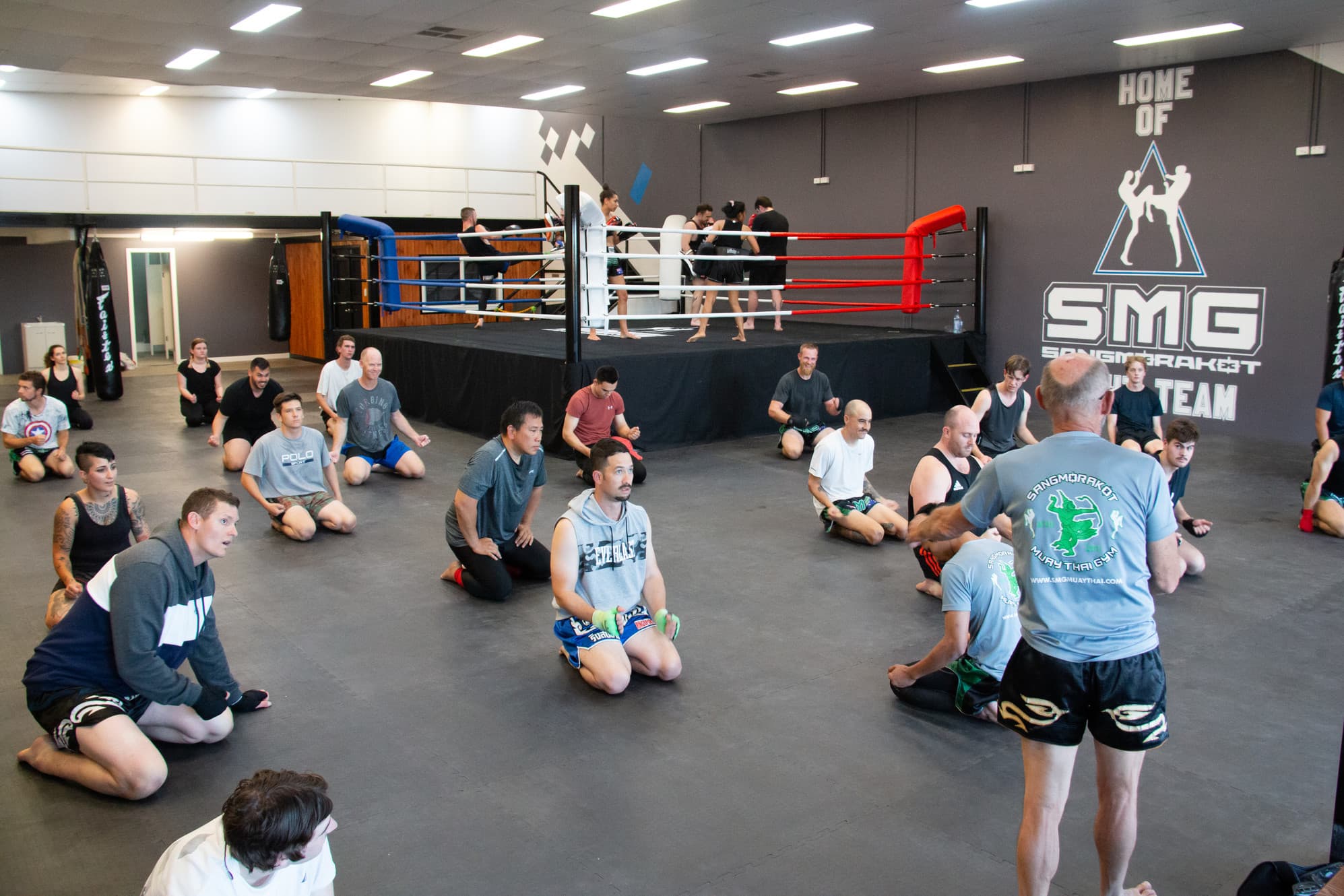
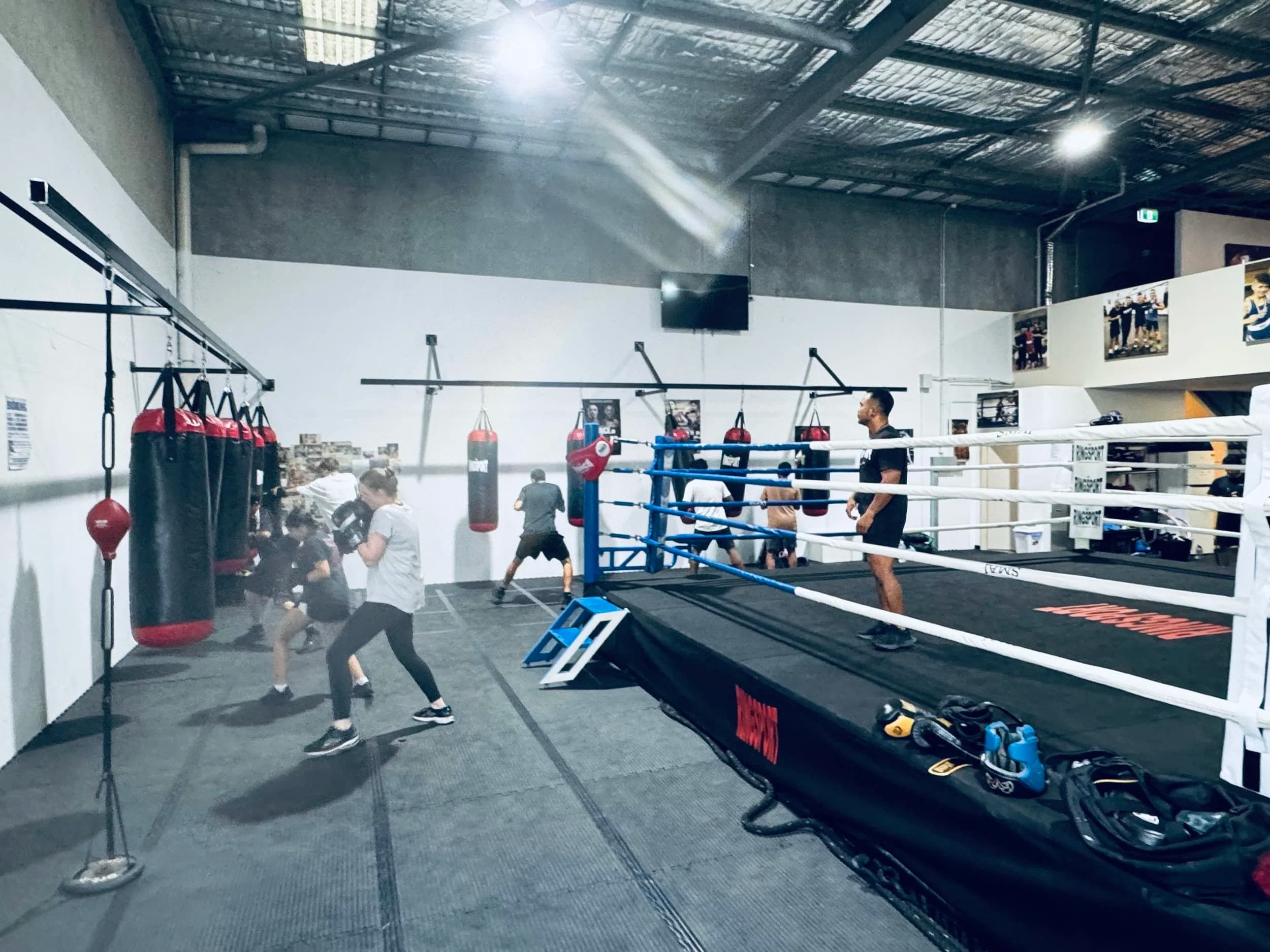
A first session at a real boxing gym usually opens with a 10 to 15 minute warmup of skipping, shadowboxing or light running. From there the room runs technique in either pad rounds with a coach or partner drills working a specific punch and counter. Bag rounds and conditioning blocks fill the back half. Sparring is rarely included in a true beginner class and should never be sprung on a first-timer.
Coaches at decent rooms will introduce a beginner to stance and the jab in the first lesson, not the full toolkit. If you walk in and get handed gloves with no orientation, no stance correction and no clear progression, you are in a fitness-branded room rather than a coaching room. Both have a place; just know which you have walked into. The first-class walkthrough guide on this site covers the broader pattern across striking and grappling.
How to tell a beginner-friendly boxing room
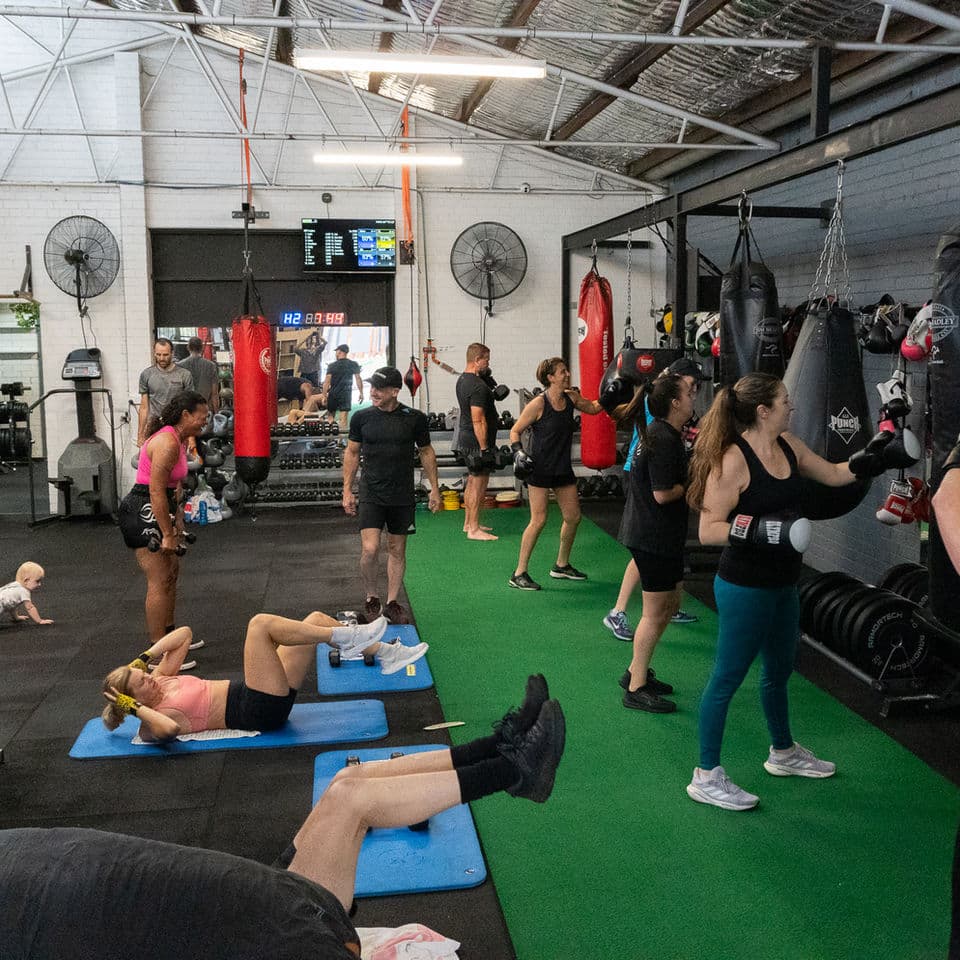
A beginner-friendly boxing gym has four observable signals. First, a coach actually watches and corrects technique during pad and bag rounds rather than running classes from a clipboard. Second, sparring is opt-in, controlled in intensity and never mandatory in beginner streams. Third, the schedule has a dedicated fundamentals or beginner block, not just a single intermediate class everyone funnels into. Fourth, the room contains a mix of experience levels and ages, which suggests the gym retains beginners rather than washing them out.
Free trials are the cheapest way to read those signals before paying. The directory flags which Perth boxing gyms publish a free trial. Take one and watch the warmup, the technique block and the way coaches interact with newer members. If a free trial is not offered, ask for a casual drop-in instead. Any gym that will not let a prospective member try a class before committing to a contract is telling you something.
What boxing actually costs in Perth
Boxing pricing across Perth tends to fall into three brackets based on what gyms in this directory publish on their public sites. Casual drop-ins typically run between $25 and $30 per class. Weekly memberships range roughly from $25 a week at the lower end up to $55 to $59 a week at higher-end rooms with unlimited access. Class packs and intro offers are common, with packs around $220 for 10 sessions and intro offers usually a discounted first week or first month upfront.
Pricing on this site is sourced from each gym's public website and re-verified periodically. Numbers move, so confirm with the gym before signing up. Some gyms only release pricing on a phone call or in-person tour, which is worth knowing before you walk in. The price comparison tool aggregates every published tier in one table so you can sort by weekly cost rather than digging through ten separate websites.
Sparring expectations and safety
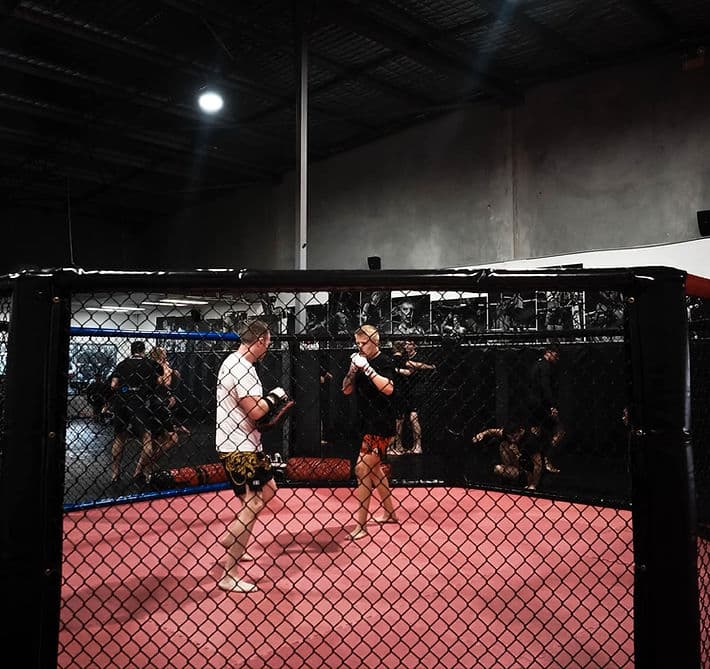
Sparring is the part of boxing that worries beginners most, and reasonably so. At a well-run gym, sparring is gated on three things: head coach approval, a baseline of stance and defensive work, and matched partners with similar weight and experience. Light technical sparring is usually fine after a few weeks of fundamentals; hard sparring is reserved for fighters preparing for a bout, not general members.
If you are training boxing recreationally and never plan to compete, you can choose a gym that limits sparring to optional sessions or skip it entirely. Long-term, repeated heavy contact carries cumulative head-injury risk, and any honest coach will tell you the same. Mouthguards and 16 ounce gloves are standard for sparring; a coach who lets unranked members spar in 10 ounce gloves or without a mouthguard is not running the room responsibly.
Choosing the right Perth boxing gym
Pick a gym for three reasons in this order: proximity to where you actually live or work, the head coach, and the room culture. A gym you can reach in 15 minutes from home or office is one you will train at consistently. The 45 minute drive you sold yourself on at signup wears thin by week six. The suburb facet strip above this content shows which Perth areas have the most boxing rooms, including Perth CBD, Joondalup and Mandurah.
Once you have two or three nearby options, check the head coach's background. Olympic and amateur backgrounds tend to produce technical fundamentals-first coaching. Professional fight backgrounds are often stronger on conditioning and pressure-testing. Both are valid; pick the one that matches what you want to learn. Use the inline comparison block on each gym page to read rating, free trial and head coach side by side before committing to a tour.
Gear you actually need to start
For a first boxing class, the only personal gear required is hand wraps, around $10 to $20 from any fight store. Most beginner-friendly Perth gyms loan gloves for free during a trial or charge a small hire fee. Skipping rope, mouthguard and your own 14 to 16 ounce training gloves come later, once you have decided the gym is the right fit and you are showing up regularly.
Boxing boots, a personal speed bag and headgear are not required for a beginner and most are gym-provided when they are needed at all. Spending on gear before you have committed to a gym is the most common beginner mistake. The what-to-wear guide on this site lists exact items and price ranges.
Compiled by Perth Fight Gyms editors. Confirm price and class detail with each gym before signing up.