What MMA actually is, and why it is broader than other arts
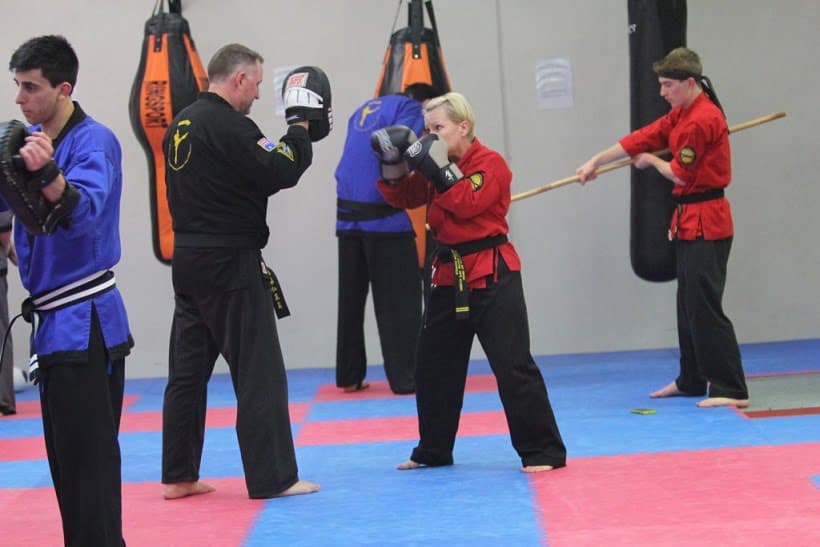
Mixed Martial Arts integrates striking, wrestling and ground grappling into a single rule set. A standard MMA gym programmes those three areas as separate classes through the week: a striking session covering boxing, kickboxing or Muay Thai, a wrestling or grappling session covering takedowns and control, and a BJJ or no-gi session covering ground work. A serious member typically trains across all three each week rather than one.
Because the curriculum is broader, MMA is the most physically demanding combat sport to train at frequency. It is also the most coach-dependent, because a single coach is rarely strong across striking and grappling. Perth MMA gyms split into two formats: dedicated MMA rooms with multiple specialist coaches, and combination gyms where each discipline has its own coach and an MMA-specific class brings them together. Both can produce competent fighters; the directory makes the structure visible.
MMA vs training individual arts
Training MMA directly trades depth for breadth. A pure boxer reaches usable striking faster than a beginner MMA member who splits attention across striking and grappling. A pure BJJ player builds positional grappling skill faster than an MMA member who only rolls twice a week. The trade is that MMA members learn how the three areas integrate, which is what the rule set tests.
For a beginner who knows they want to compete in MMA, training MMA directly at a real fight team is the most efficient path. For a beginner who is unsure whether they want to fight at all, training a single discipline first and adding others later tends to produce a stronger long-term skill base. The boxing vs Muay Thai vs MMA comparison guide on this site walks through the decision in more detail.
What a first MMA class actually looks like
First-day MMA classes vary widely by gym. At a true MMA fight team, a beginner is usually streamed into a fundamentals striking or fundamentals grappling class rather than the mixed MMA class itself. At a combination gym, the first class is whichever discipline is on the schedule that day. Either way, the warmup, technique block and partner drills are scaled to a beginner's experience.
First-day signals: does the gym have a clear beginner stream rather than dropping you into the regular class, are coaches actually walking the floor and correcting technique, and is the room culture welcoming of complete beginners or visibly fight-team-only. A gym where the only class on offer for a new member is a full-intensity sparring round is not a gym that retains beginners, regardless of how good the head coach is.
How to tell a serious MMA gym from a marketing one
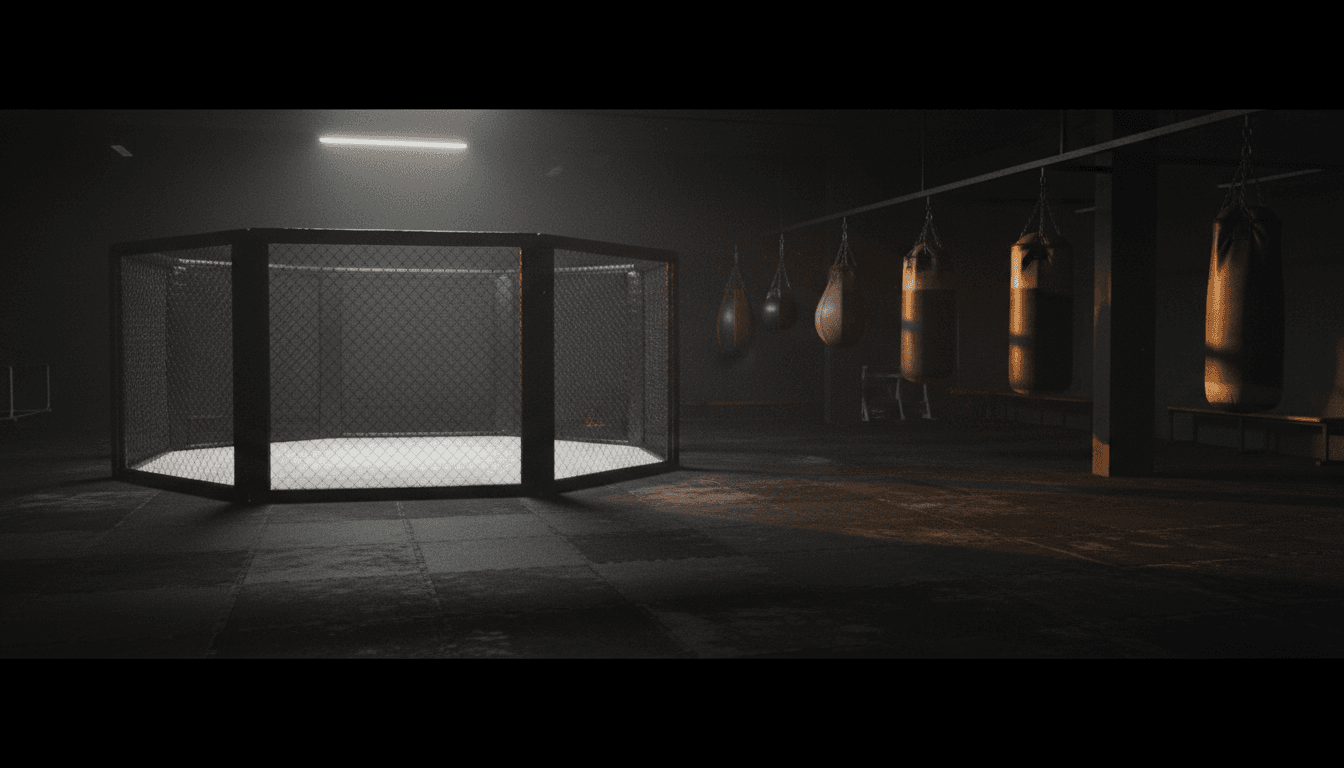
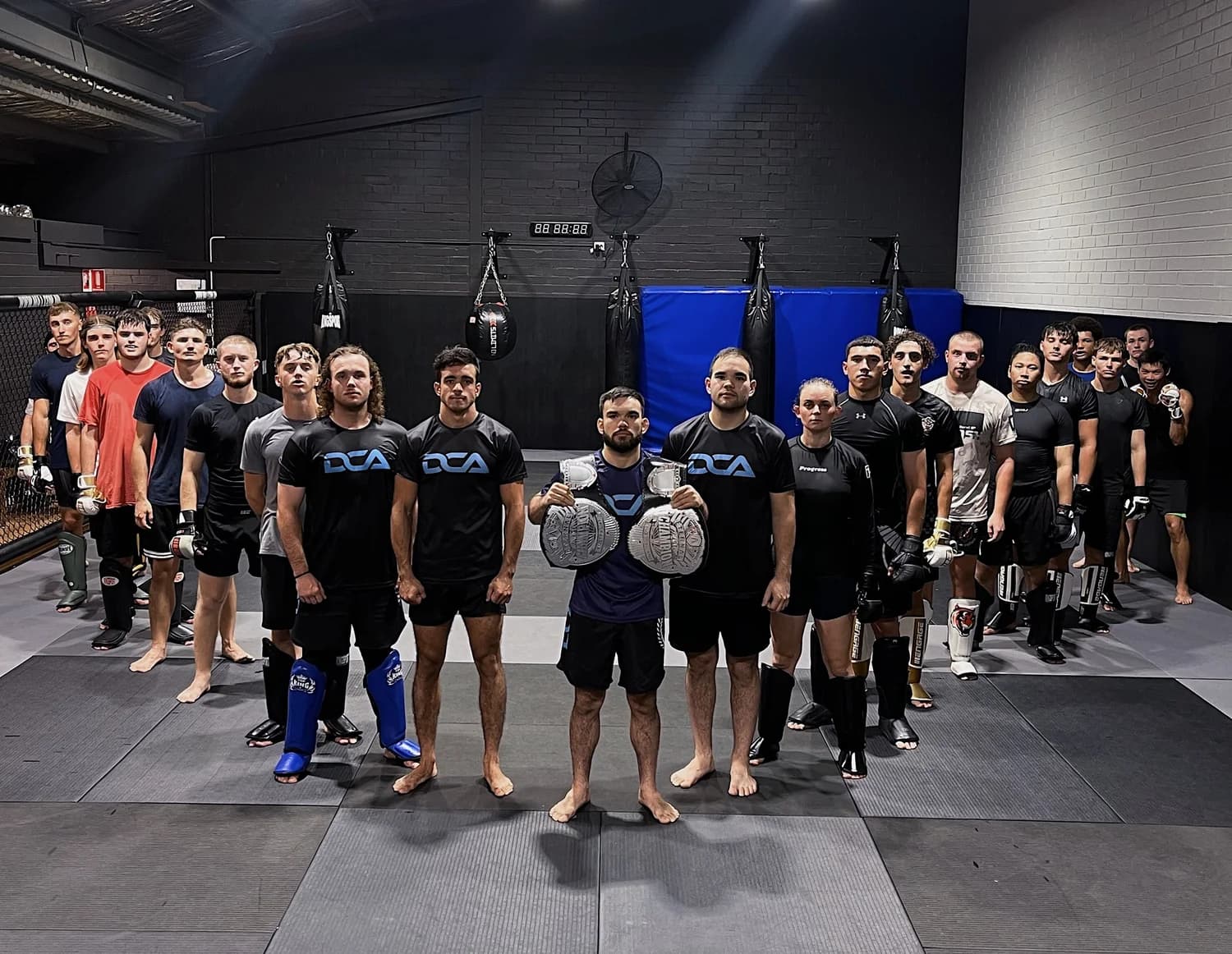
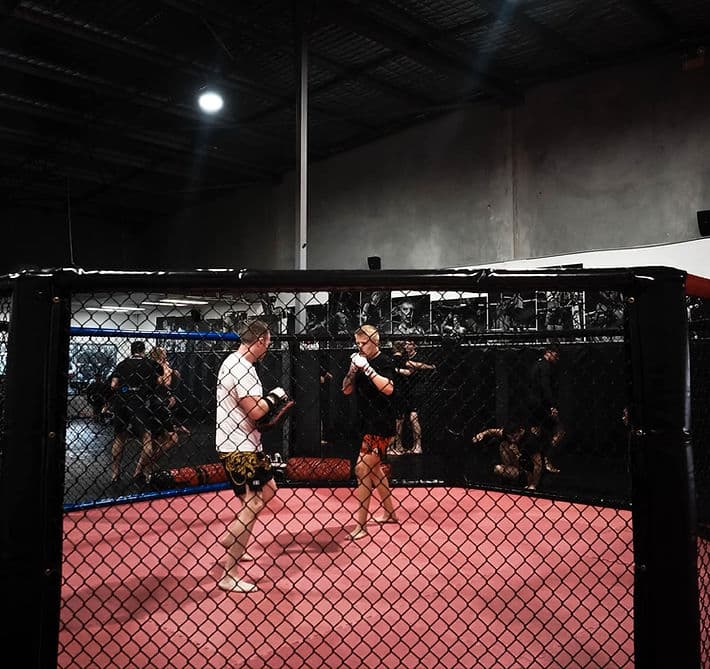
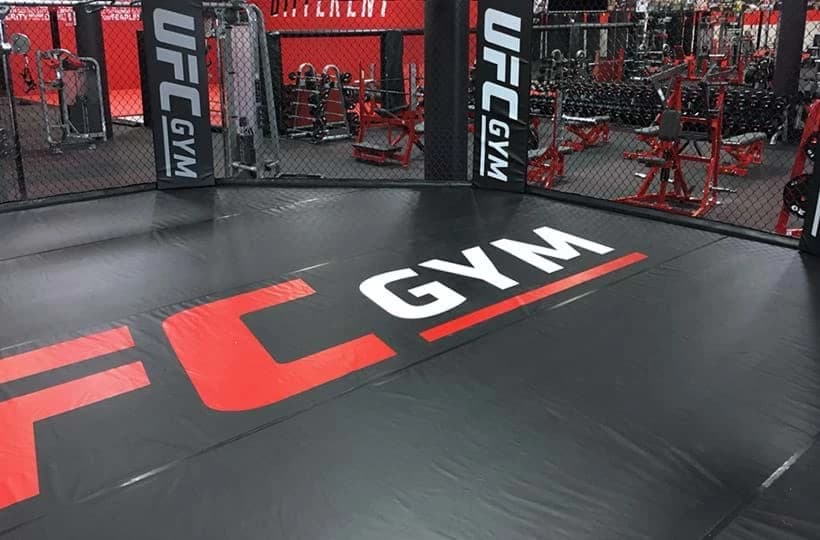
Four signals separate real MMA gyms from striking-and-BJJ gyms that put MMA on the website. First, the head coach or coaching team has verifiable backgrounds in striking, wrestling and grappling, not a single coach running everything. Second, the timetable includes dedicated wrestling or takedown classes, which most fitness-format gyms skip because wrestling is hardest to programme. Third, an active competition team with members on amateur or pro records. Fourth, equipment: cage or padded ring, mats covering enough floor space to roll on safely, and pads, bags and grappling gear that look used rather than display-quality.
The directory filters for MMA listings reflect this. A gym tagged as MMA in the directory teaches at least striking and grappling in coordinated classes. The free trial flag is worth using here, because an MMA gym confident in its programme will let a prospective member experience a class before signing a contract. A gym that will not is telling you something.
What MMA actually costs in Perth
MMA gym memberships tend to run higher than single-discipline gyms because the curriculum covers multiple disciplines and the timetable has more classes per week. Perth MMA weekly memberships typically range from $45 to $55 a week, with intro offers around $175 for a first month and class packs around $220 for 10 sessions where available. Term upfronts of three or six months are common at fight teams with stable membership.
Pricing here is taken from each gym's public site and verified periodically. Because MMA gyms often offer access to striking, grappling and wrestling under one membership, the per-class cost works out lower than training each discipline separately at three specialist gyms. The price comparison tool aggregates every published MMA tier in one table for comparison.
Sparring, wrestling and contact expectations
MMA contact is the highest in combat sports because it spans all three disciplines. Responsible Perth MMA gyms manage this by separating contact-intensity sessions from technique sessions and gating contact behind weeks or months of fundamentals. Beginners drill striking and grappling in pads and rounds long before they spar standup, roll live or take takedowns. A gym that lets a new member spar hard in week one is not a gym to stay at.
Wrestling carries the highest injury rate of the three MMA components because takedowns and scrambles involve high-force collisions. Reputable Perth MMA rooms either drill wrestling with controlled intensity or pair beginners with patient training partners. Mouthguard, shin guards and proper grappling gear are standard at any class involving live work.
Choosing the right Perth MMA gym
Pick on three things in this order. Proximity, because MMA's broader curriculum means more classes per week, and a long commute kills consistency faster. Coaching staff depth, because a single generalist coach cannot run striking, wrestling and grappling at the standard a competition track needs. Room culture, because MMA rooms split sharply between welcoming-to-recreational and fight-team-only.
Use the facet strip above this content to filter Perth MMA gyms by suburb. Compare two or three options using the inline comparison block on each gym detail page, then take a free trial at the top one or two. The same beginner-friendly criteria from boxing and Muay Thai apply: dedicated beginner stream, opt-in contact, mixed experience levels in the room and coaches who actively engage with new members.
Gear required to start
Starter MMA gear depends on which discipline you train first. Hand wraps and a mouthguard are universal, around $20 to $40 combined. A rashguard and grappling shorts for BJJ classes run around $80 to $130. Most Perth MMA gyms loan boxing gloves, shin guards and headgear during a trial or first month. After committing, expect to build a kit of striking gloves, shin guards, grappling gear and a gi over the first three to six months, around $400 to $600 total for decent quality.
MMA-specific gloves are needed only once a member begins live MMA sparring, which is well into the membership. Buying a full kit before training is the most common beginner mistake. The what-to-wear guide lists exact items and Australian prices, and the inline gear summary on each gym detail page flags any gym-specific requirements.
Compiled by Perth Fight Gyms editors. Confirm price and class detail with each gym before signing up.