What Brazilian Jiu-Jitsu actually is
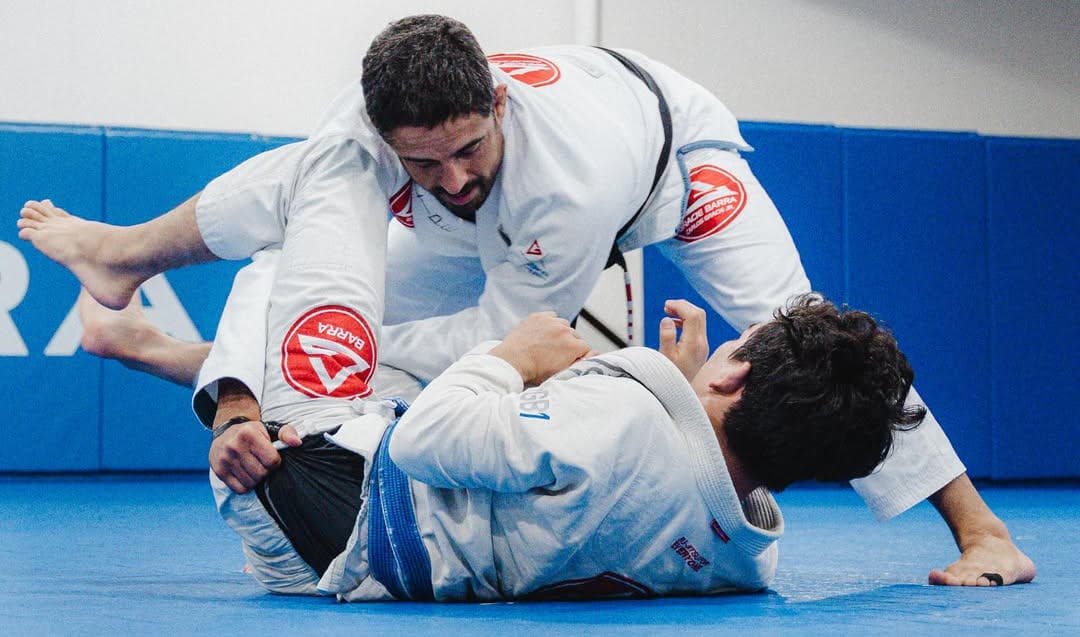
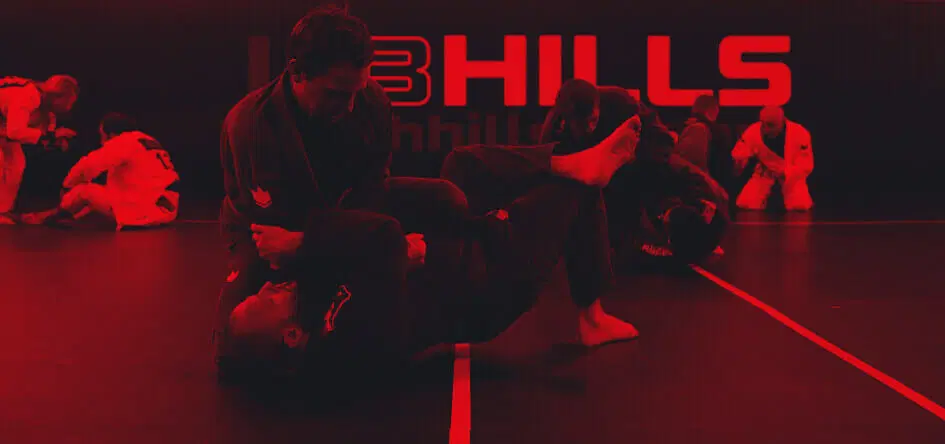
Brazilian Jiu-Jitsu is a grappling art focused on positional control and submissions on the ground. There is no striking. Sessions are split between technique drilling, positional rounds where partners start in a specific position and work to escape or advance, and full rolling where both partners attempt submissions from a neutral start. Progress is tracked through a belt system from white to black, with stripes between belts marking incremental progress.
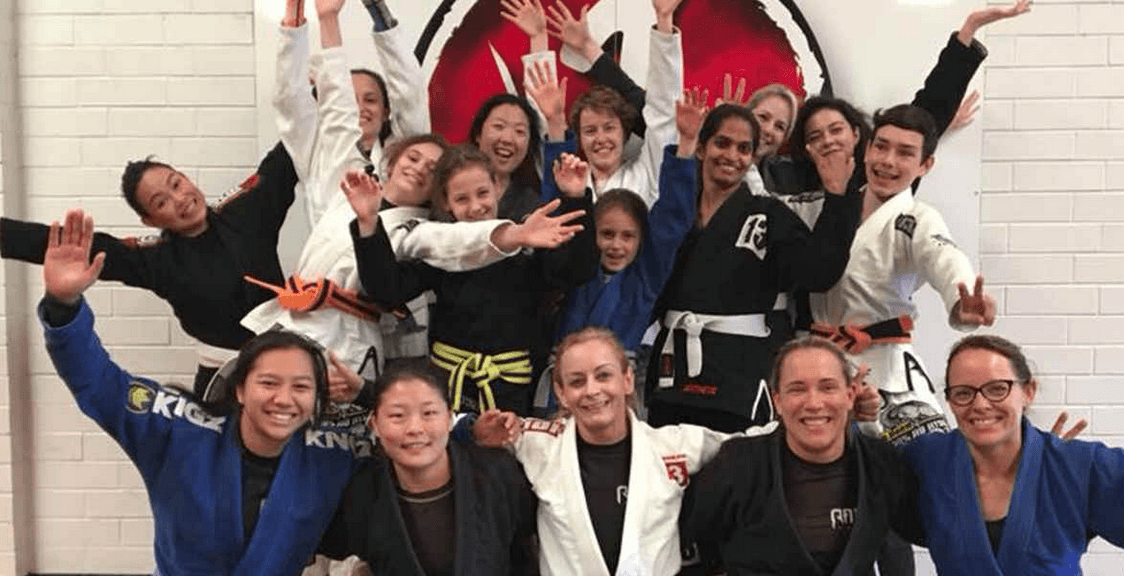
BJJ rewards patience and chess-like decision making over athleticism, which is why the average academy contains a wider age range than most striking gyms. A 50 year old white belt who attends consistently for two years can pass guard against a 20 year old purple belt new to grappling. The skill curve is genuinely long, which is the trade for the lower injury rate compared to striking and MMA.
Gi vs no-gi: which to train
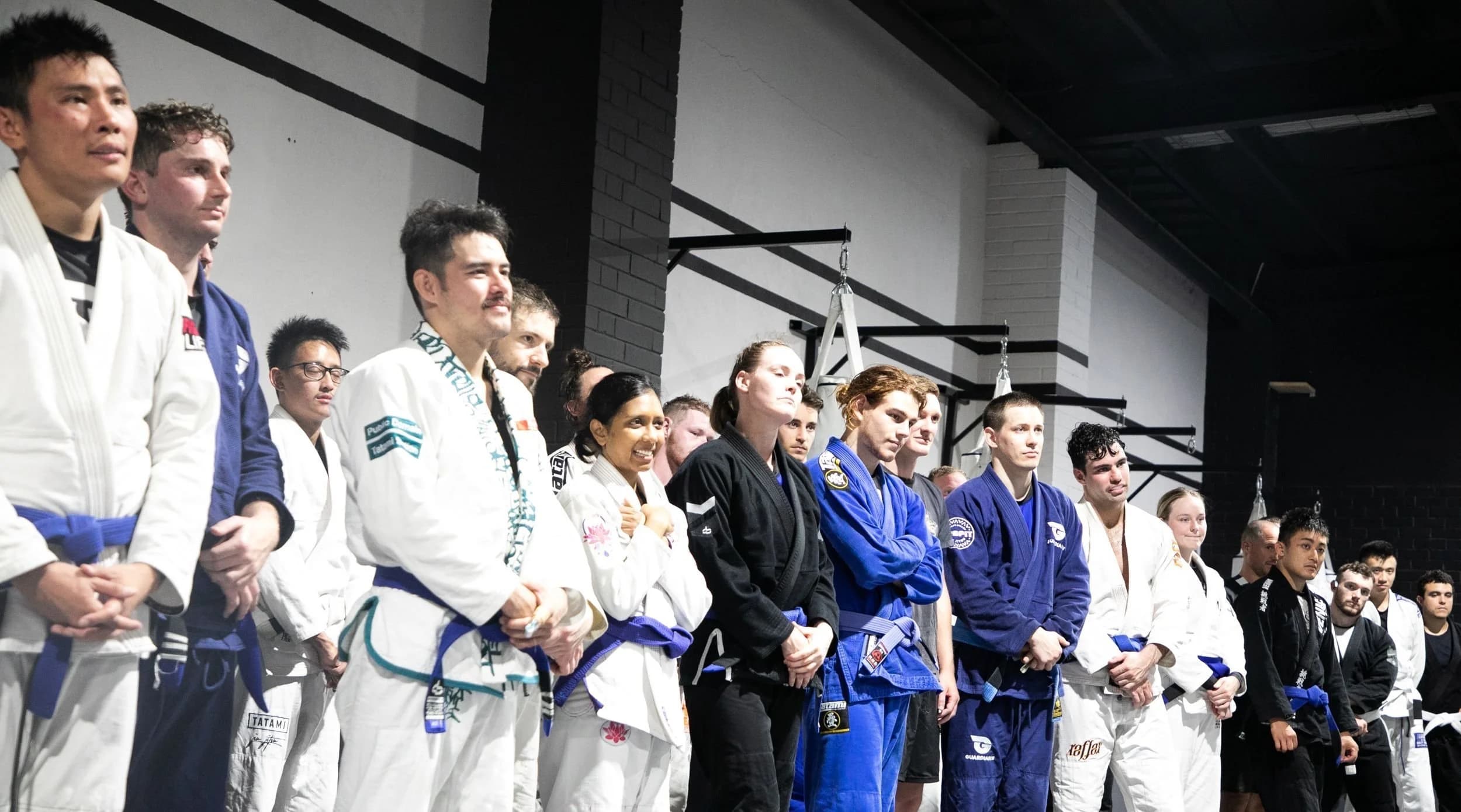
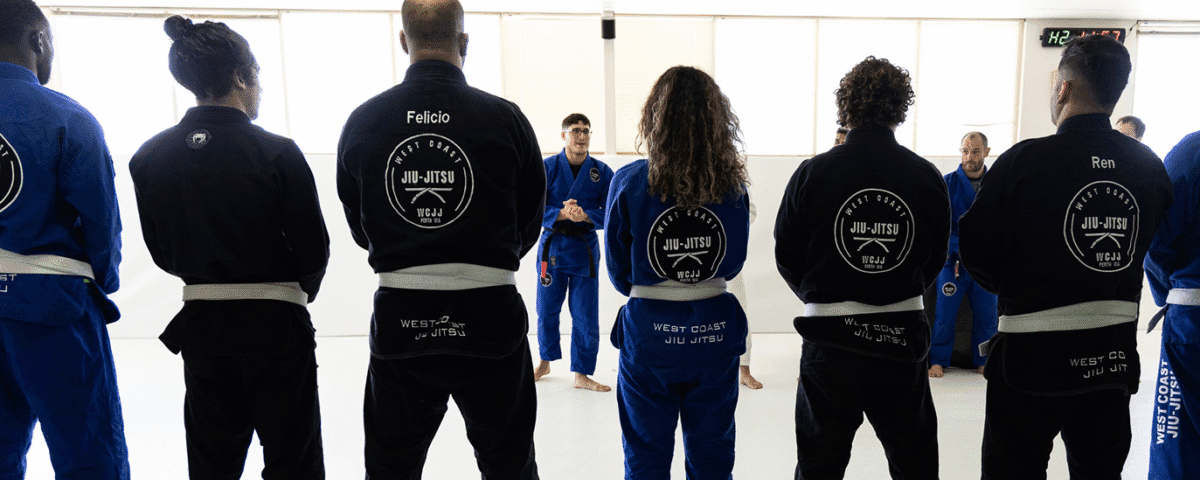
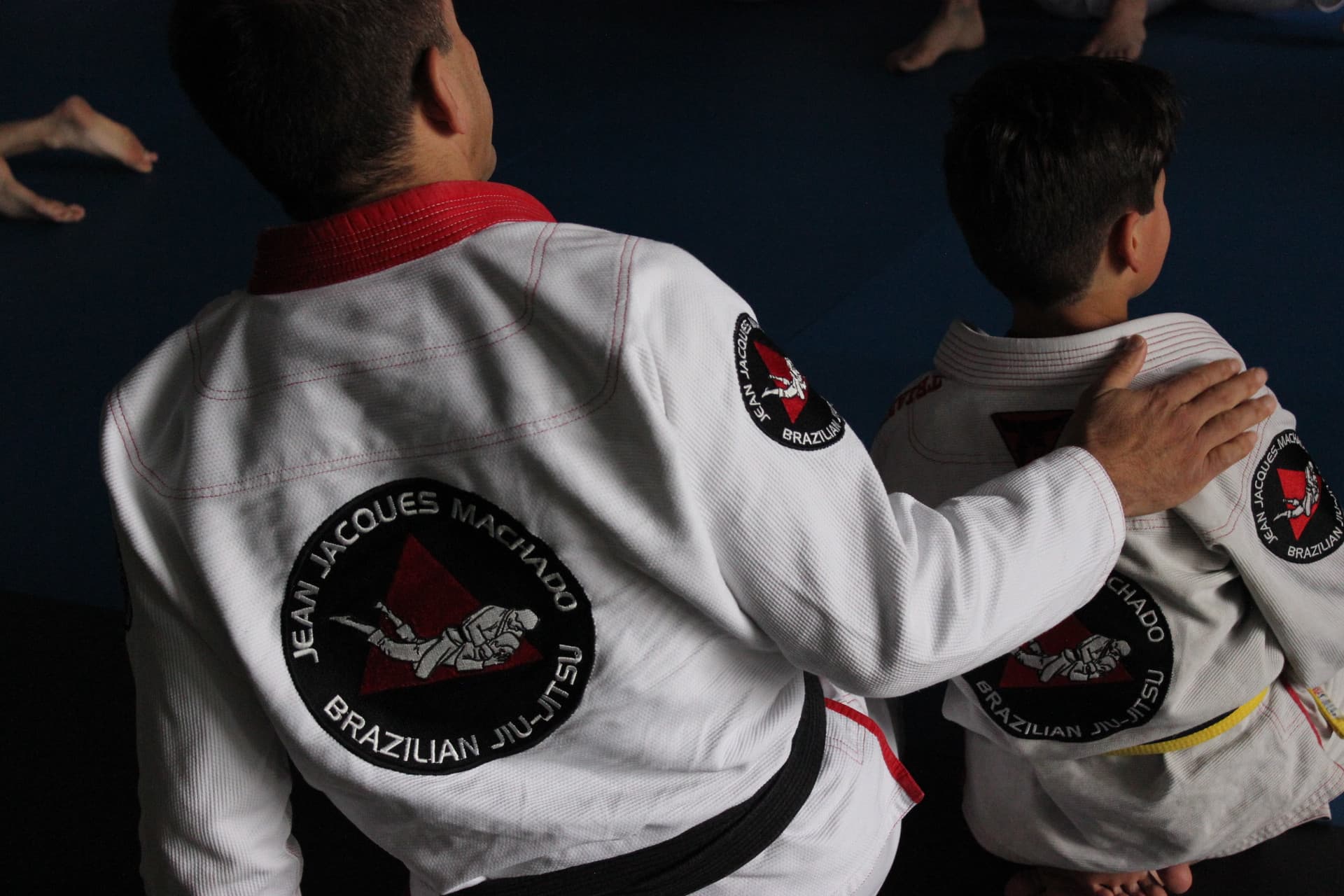
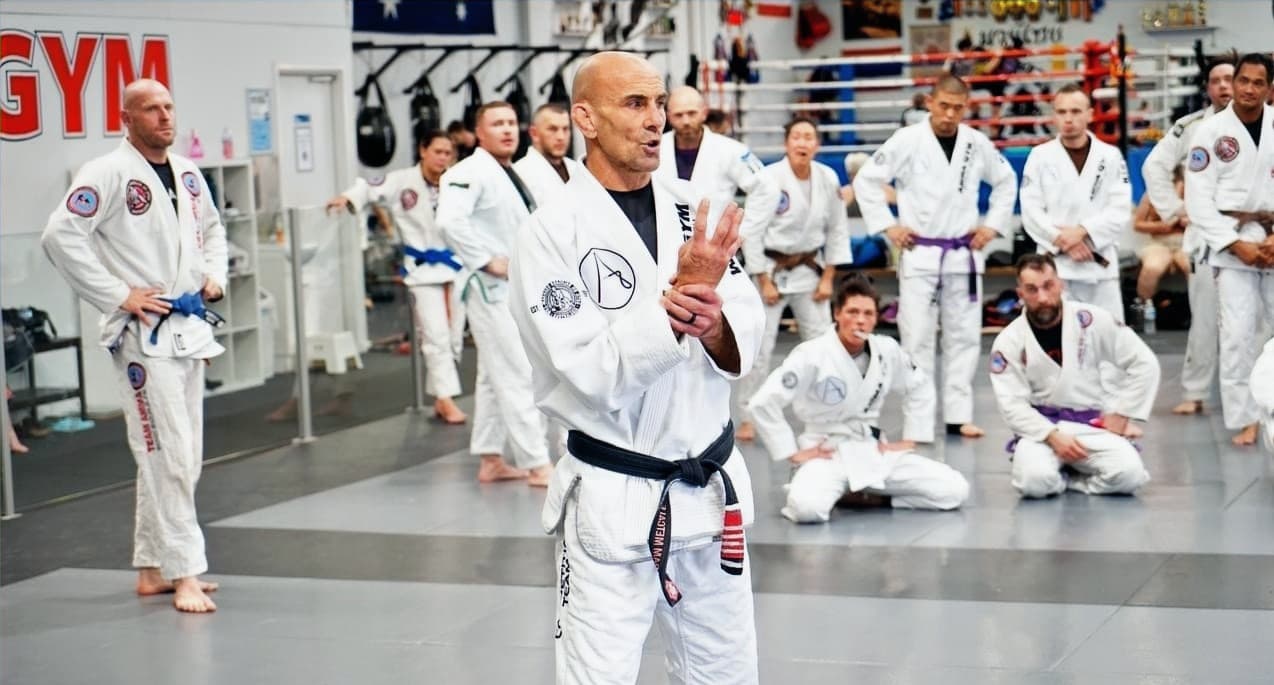
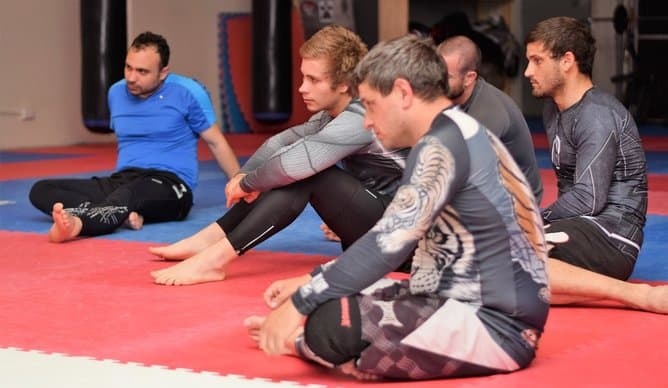
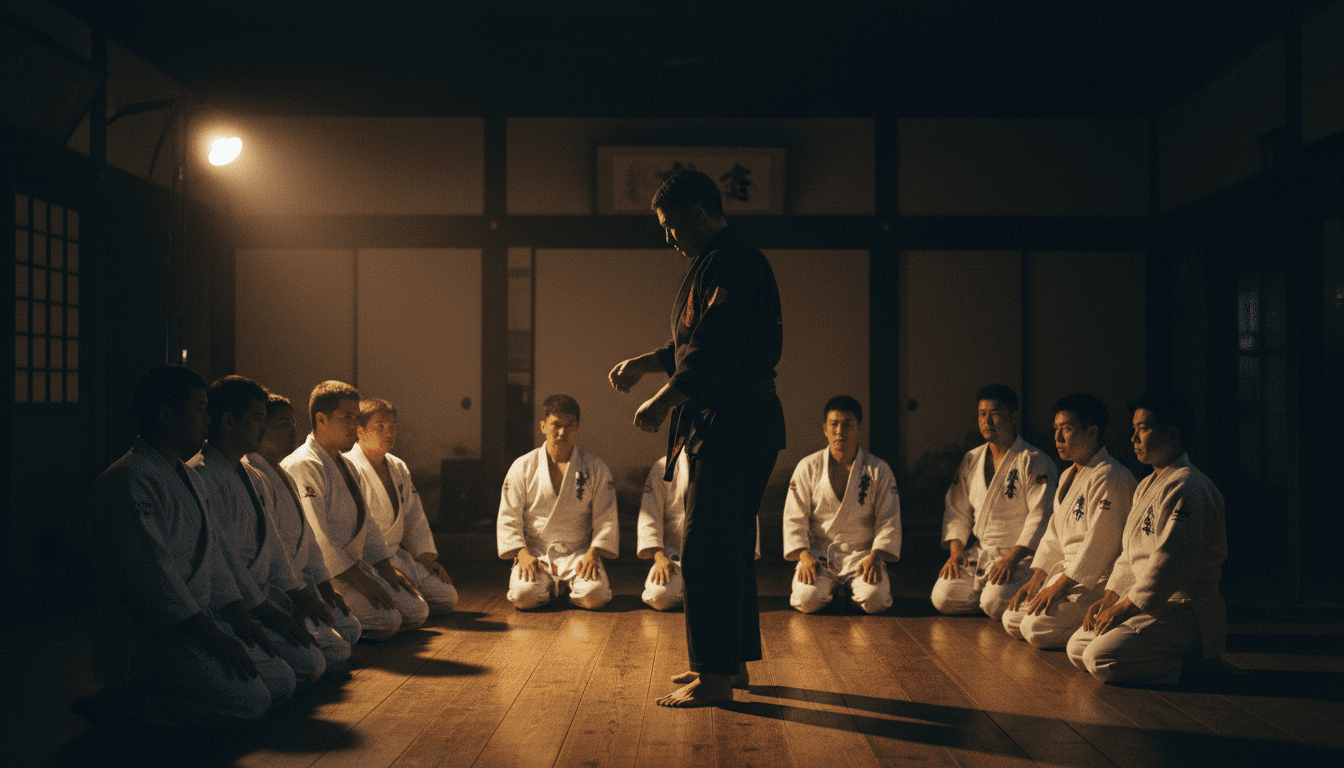
Gi BJJ trains with a traditional jiu-jitsu uniform, which adds collar and sleeve grips, fabric-based chokes and a slower exchange pace. No-gi removes the uniform, replacing it with a rashguard and shorts, which shifts the game towards underhooks, body locks and leg attacks at a higher pace. Most Perth academies offer both, though some are exclusively one or the other.
Beginners benefit from training the gi first because the grips give clear targets for technique and slow the pace enough to think through positions. Within six months, training both becomes useful because the two games sharpen different aspects of the same fundamentals. Competition pathways diverge: IBJJF-affiliated tournaments are gi-dominant, while ADCC and submission-only circuits run no-gi. Choose a gym whose schedule matches the format you actually want to train.
What a first BJJ class actually looks like
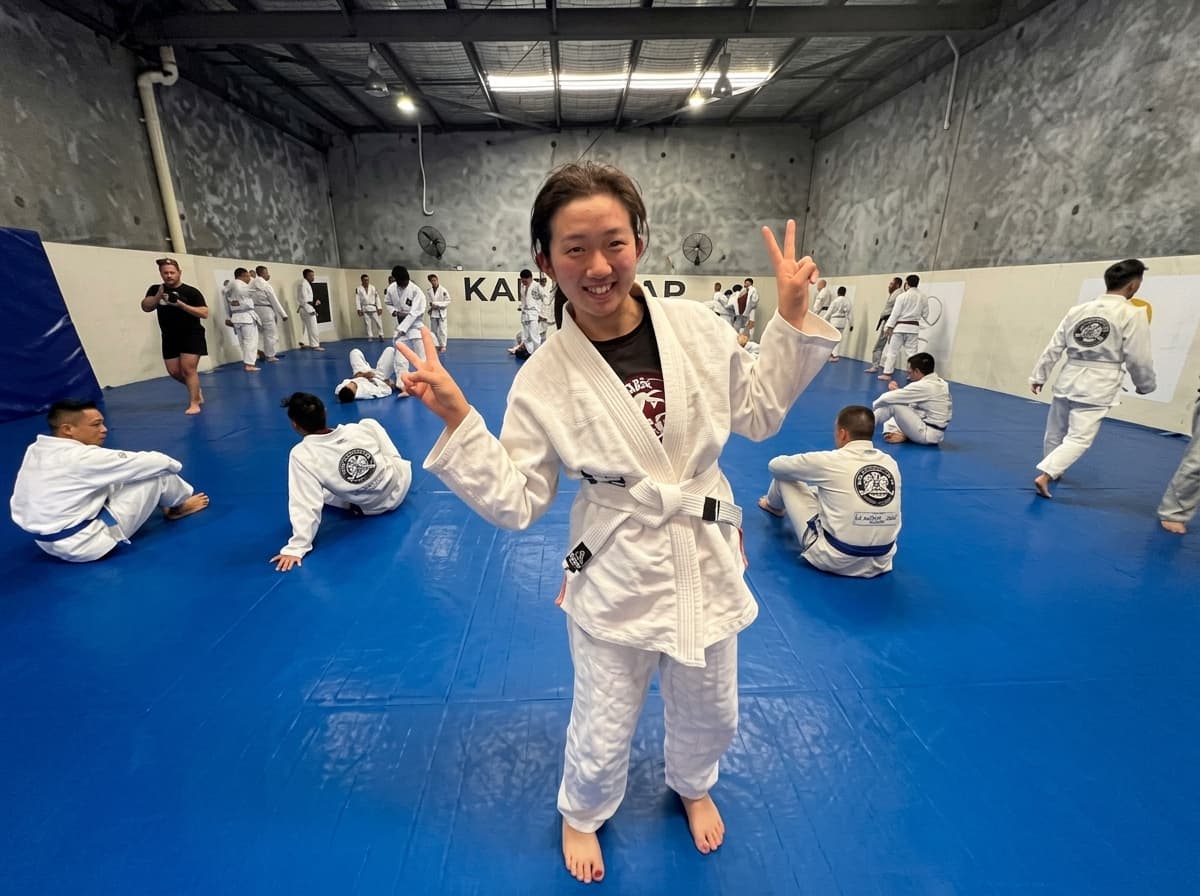
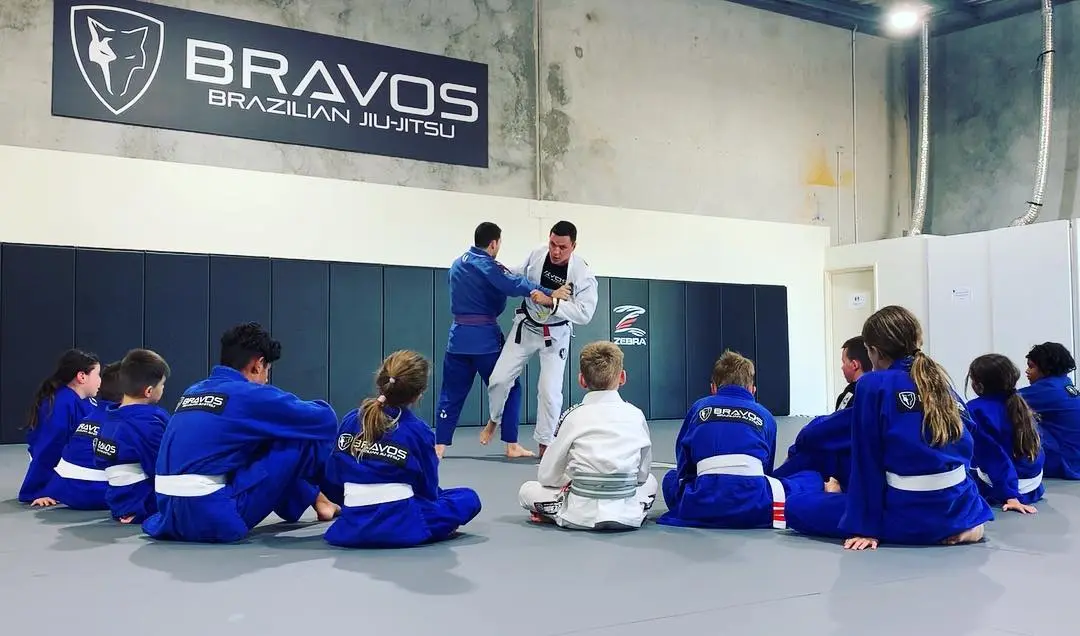
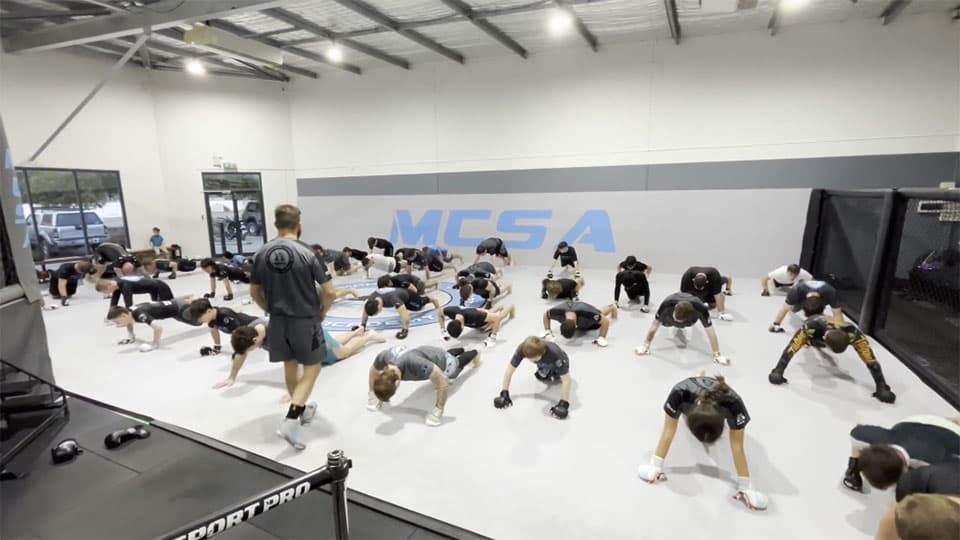
A typical first BJJ class starts with a short solo warmup, shrimping drills and breakfalls, then moves into the day's technique block. The coach demonstrates one or two techniques, partners drill them slowly, and the second half of class is positional rounds at light intensity. Some gyms gate full rolling behind a fundamentals course; others let new members opt in from week one with a more experienced partner.
First-day signals to watch for: does the coach pair you with a calm, higher belt rather than a rambunctious lower belt, does the room offer a fundamentals stream rather than dropping beginners into the regular all-levels class, and does anyone explain mat etiquette around hygiene, tapping and reset rules. A room that ignores those basics on day one tends to ignore them long-term, and that creates injury risk down the line.
How to tell a beginner-friendly BJJ academy
Look for four things. First, a dedicated fundamentals class on the timetable, ideally two or three times a week, not a single token slot. Second, a head coach with a verifiable belt under a recognisable lineage. Third, a mat culture where higher belts roll with lower belts at the lower belt's pace, which you can see during the open-mat portion of a trial. Fourth, clear hygiene rules: clean gi, taped fingernails, no training with open cuts.
Free trials at Perth BJJ academies are common. The directory flags which gyms publish one. If a free trial is not advertised, an intro pack is the next most common entry. AMMA Gym BJJ in this directory publishes a $30 trial week, Kaizen Lab Jiujitsu publishes a $39 three-class intro. Use those as a baseline when comparing offers across academies.
What BJJ actually costs in Perth
BJJ pricing in Perth typically runs higher than boxing because session length is longer, mat space is larger and most academies are affiliated with international networks that include affiliation fees. Three-month upfront tiers around $800 and six-month around $1500 are common at established academies. Casual drop-ins, where allowed, are typically $25 to $30. Trial weeks are most often $30 to $40.
Pricing here is taken from each academy's public website and verified periodically. A handful of Perth gyms only release pricing on a tour or initial call, which is its own signal. The price comparison tool on this site aggregates every published BJJ tier in one place so you can sort by cost rather than reading ten individual pricing pages.
Choosing the right Perth BJJ academy
Three criteria, in order: proximity to where you actually live or work, head coach lineage, and mat culture. A 15 minute commute is the limit for showing up three times a week long-term. Coach lineage matters because BJJ is genuinely a coaching-driven art; a coach with a deep lineage under a recognisable black belt will produce more technically sound students than one without. Mat culture is read from the trial: who you roll with, how hard they go and whether higher belts actively help newer members.
If you have a competition goal, look for an academy with an active fight team that competes at IBJJF or local events. If you want recreational training, look for one with a strong fundamentals stream and a wide age range on the mats. Both are valid; the room is wrong if you walk in wanting one and find the other.
Injury rate, sparring and what to expect
BJJ has a lower acute injury rate than striking arts because there is no head impact in normal training, but it has a higher cumulative joint-wear rate from years of submissions and pressure positions. Fingers, knees and necks are the most common attrition points. None of those should put a beginner off; they are managed with sensible rolling intensity, knowing when to tap early and choosing training partners who match your control level.
Rolling is the BJJ equivalent of sparring. It is opt-in at most academies and almost always introduced gradually. Tapping is not losing; it is the technical signal that resets the position. The most common beginner mistake is refusing to tap to a submission and ending up with a tweaked elbow or knee. Tap early, tap often, and the skill curve takes care of the rest.
Gear and what to wear
For a first BJJ class, gear depends on whether the class is gi or no-gi. Most academies loan a gi for a trial. After that, expect to invest in a starter gi for around $130 to $200 and a couple of rashguards and shorts for around $60 to $100 if you train both formats. A mouthguard is recommended even in pure grappling because partners occasionally collide heads in scrambles.
Long fingernails and toenails are a hard no, and any decent academy will turn you around if you arrive untrimmed. Bring flip-flops to walk to and from the mat, training caps are unusual, and most academies expect a clean gi for every session. The what-to-wear guide on this site lists exact items and prices.
Compiled by Perth Fight Gyms editors. Confirm price and class detail with each gym before signing up.