What Muay Thai actually is
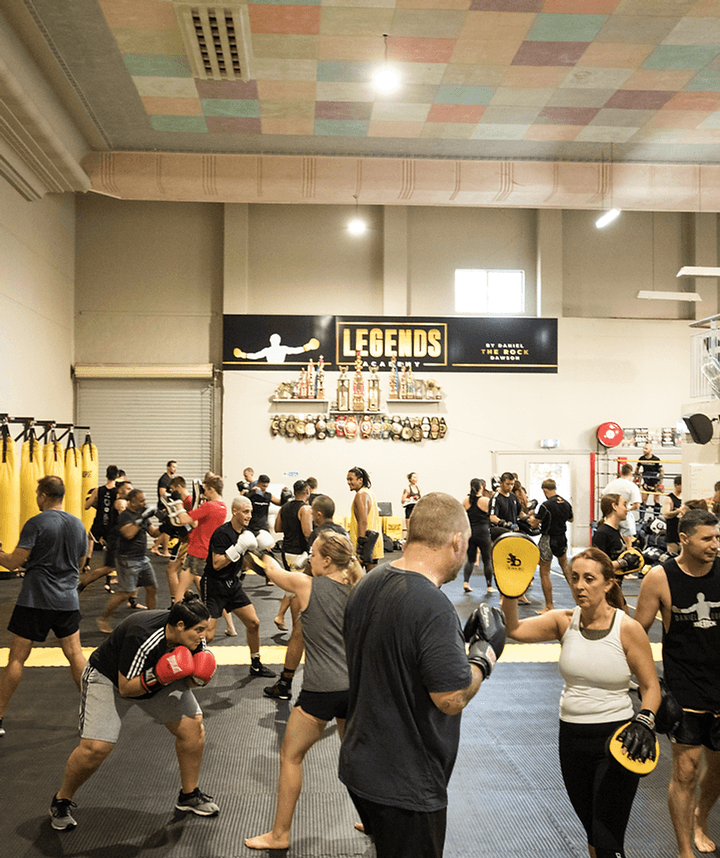
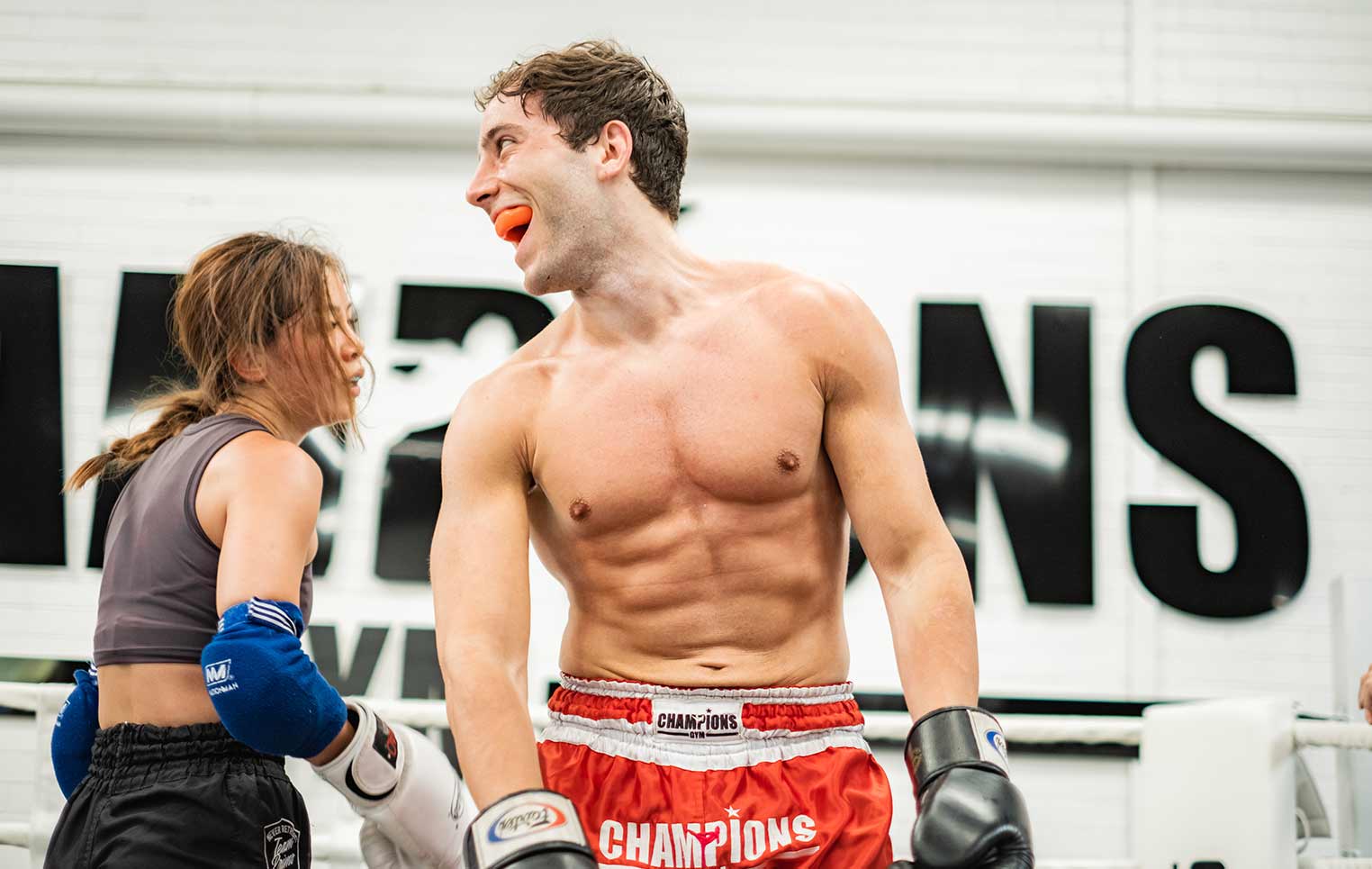
Muay Thai is a striking art using eight contact points: two fists, two elbows, two knees and two shins. Unlike kickboxing, it includes the clinch, where fighters grip the neck and torso at close range to control posture and land knees. Rounds are slower than boxing because the legs and clinch carry more conditioning load, and a typical session blends pad rounds with a coach, partner drills and conditioning blocks of bag work and core.
Muay Thai started as the national sport of Thailand and grew internationally through the K-1 era and the rise of Glory and ONE Championship. The Perth scene has both traditional Thai-coached gyms and Western-format rooms that adapt the technical syllabus to Australian membership norms. Both can produce competent fighters and fit recreational members. The directory makes the distinction visible so a beginner picks the right type of room rather than the wrong one.
Muay Thai vs kickboxing, MMA and boxing
Muay Thai trains punches, kicks, knees, elbows and clinch. Kickboxing is most often used to describe K-1 style rules, which retain kicks and punches but drop elbows, knees from the clinch and the clinch itself. Boxing trains only punches. MMA layers wrestling and ground work on top of striking, so a Muay Thai sessionis usually one of three classes a member trains in a week rather than the whole curriculum.
For a beginner, the practical question is how much technical surface area you want to cover before feeling competent. Boxing is narrowest and fastest. Kickboxing adds the legs without the clinch complexity. Muay Thai adds elbows, knees and clinch, which roughly doubles the time to feel coordinated. MMA on top adds grappling, which roughly doubles it again. Pick the breadth you actually want to train, not the most prestigious-sounding option.
What a first Muay Thai class actually looks like
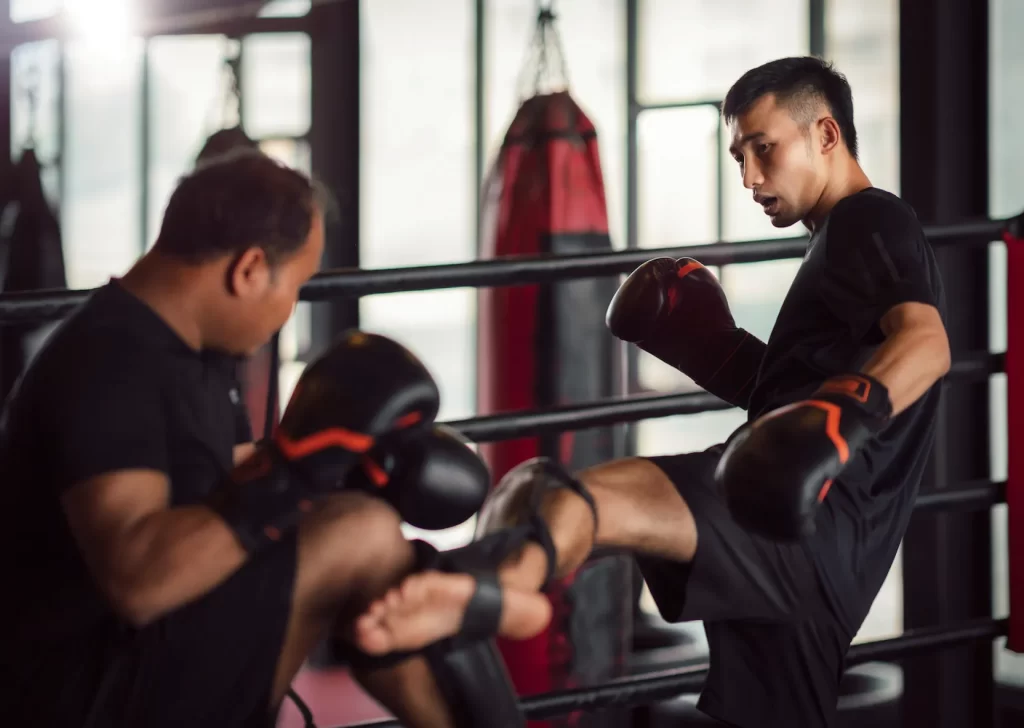
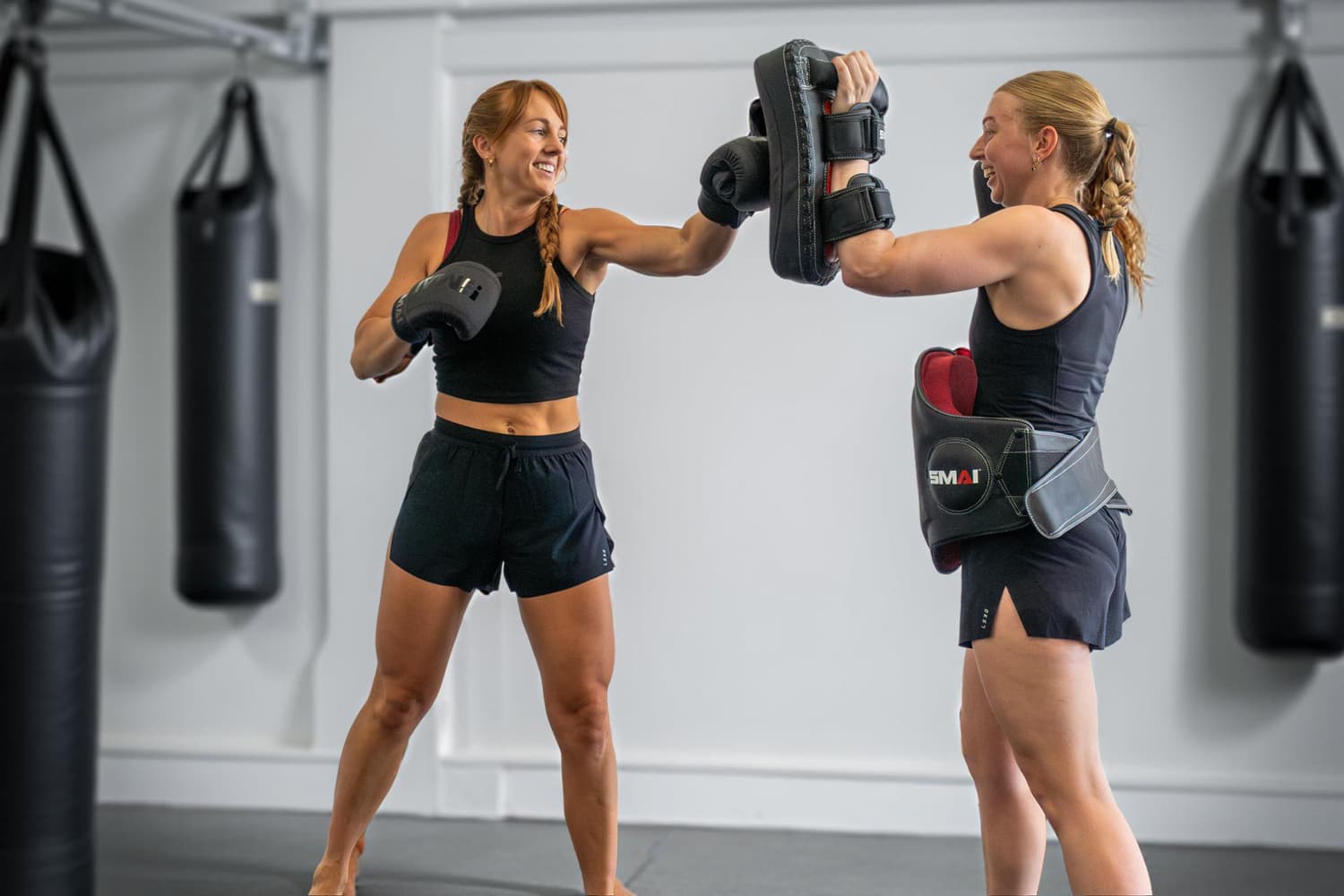
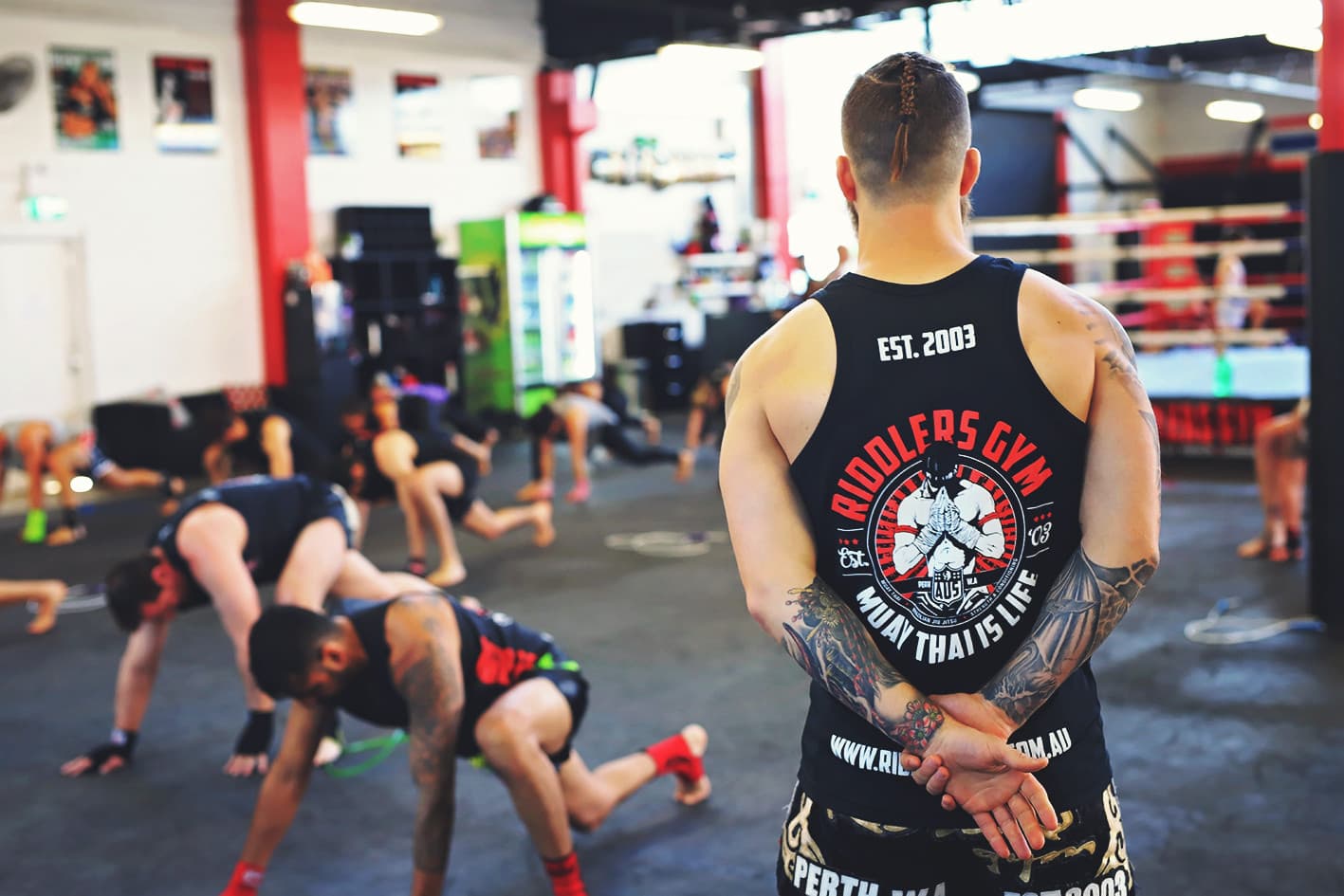
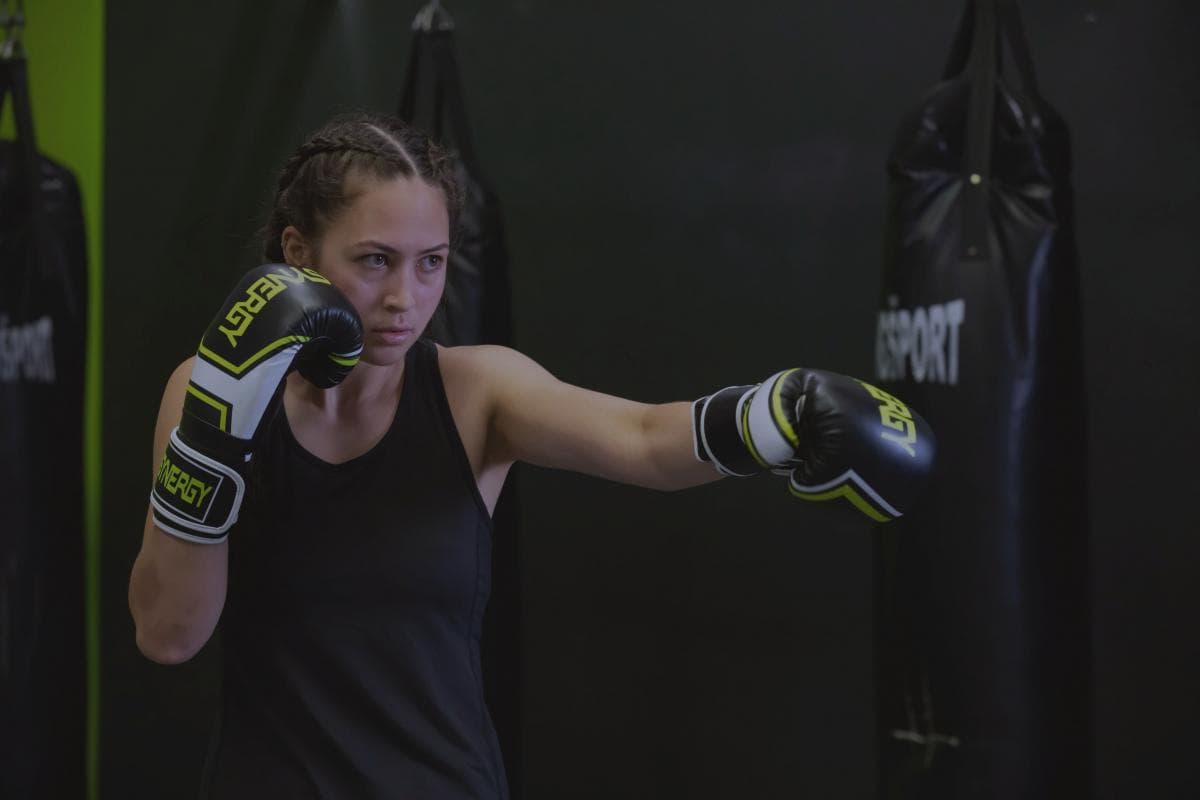
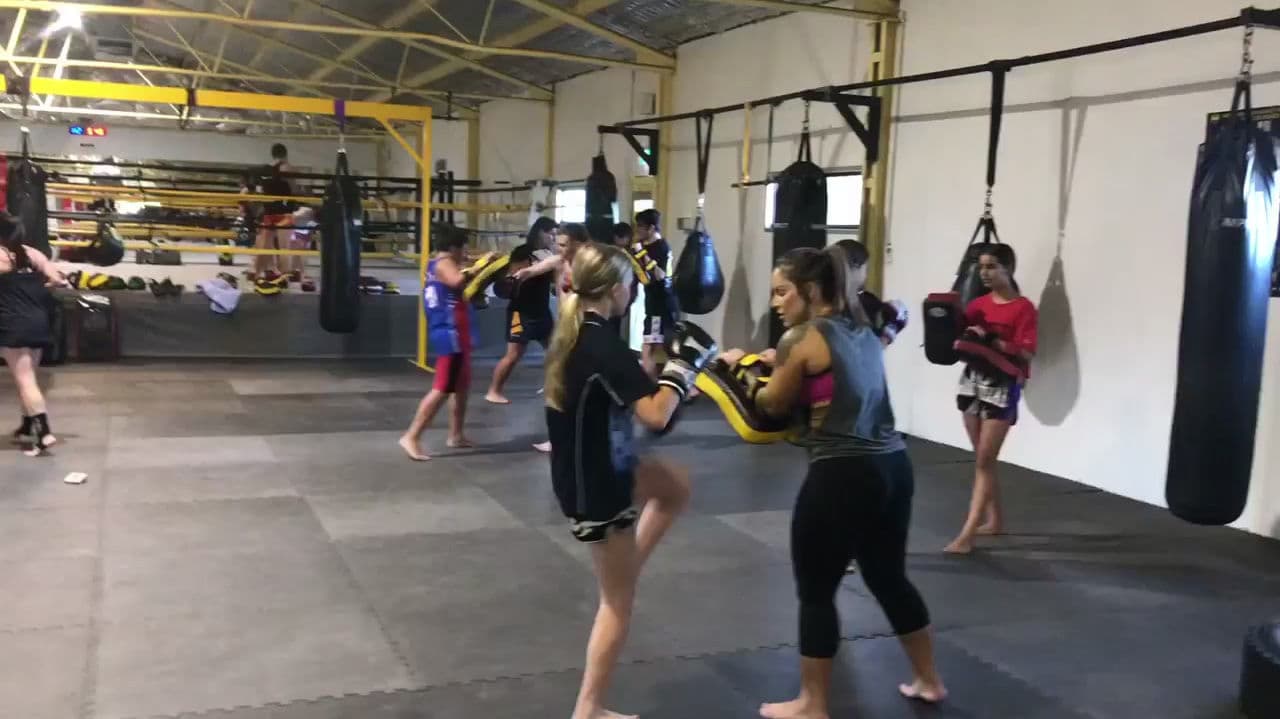
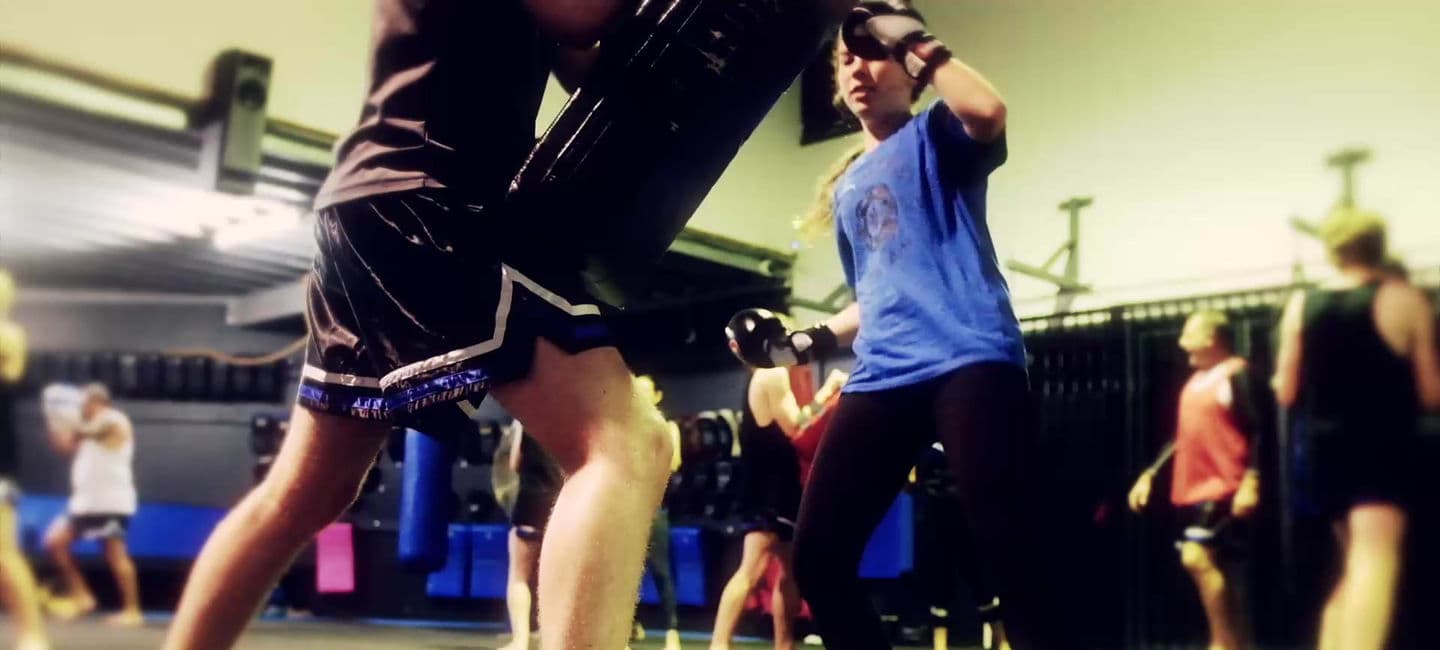
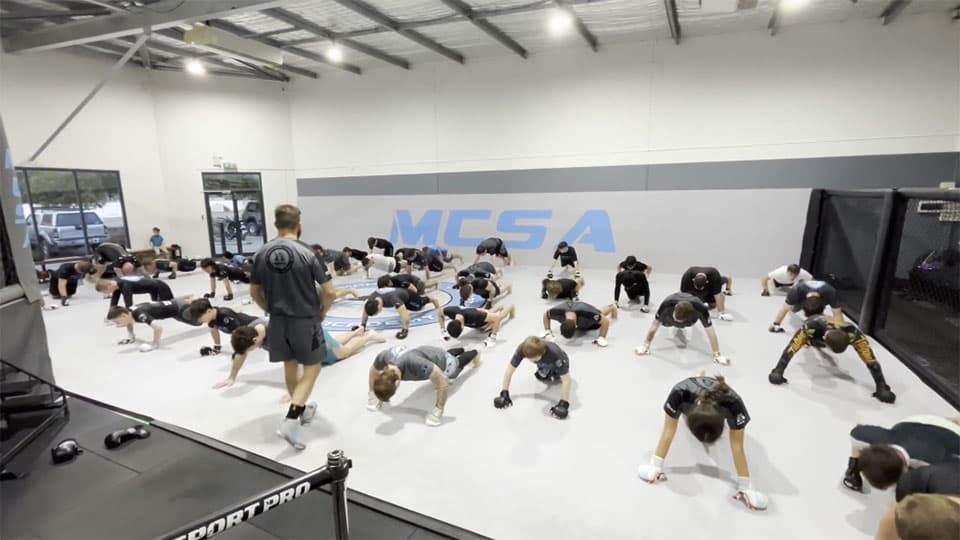
A typical first Muay Thai class opens with a 10 to 15 minute warmup of skipping, shadowboxing and dynamic stretching, then runs a technique block of two or three techniques drilled in pairs. Pad rounds follow, where one partner holds Thai pads and the other lands a programmed combination. The session usually closes with bag rounds, core conditioning and a short cooldown. A first session almost never includes clinch or sparring; both are gated behind weeks of fundamentals at any responsible gym.
Coaches at a real Muay Thai gym will introduce a beginner to stance, the jab-cross-roundhouse sequence and how to hold pads for a partner. If you walk in and get handed pads with no instruction, you are at a fitness-format class rather than a coaching room. The first-class walkthrough guide covers the full pattern including what to expect from your bodyweight on day one.
How to tell a beginner-friendly Muay Thai room
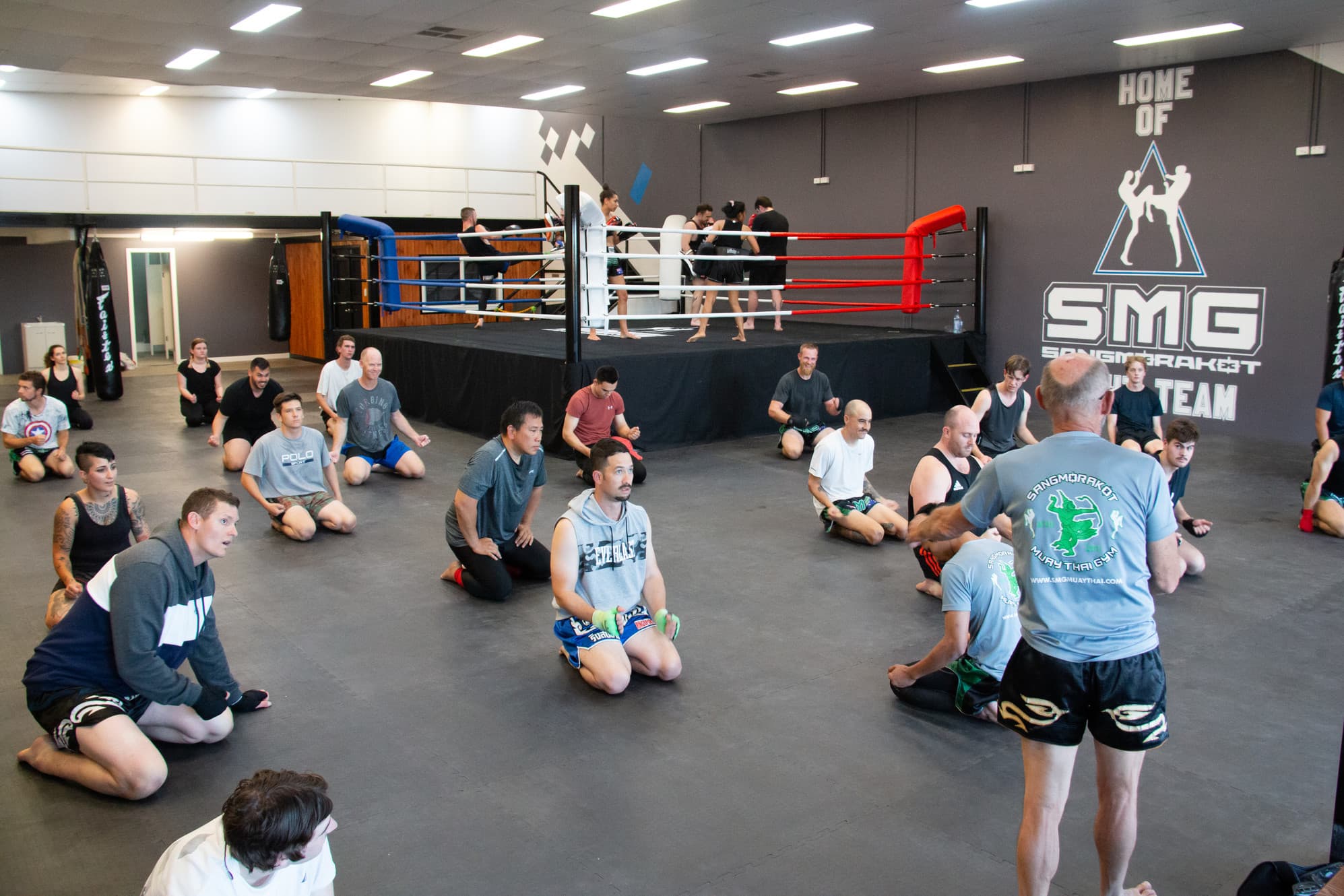
Four signals to read on a free trial. First, the coach demonstrates and corrects technique through the class rather than running it from the back of the room. Second, the schedule has a clear beginner or fundamentals stream, not a single mixed-level class everyone attends. Third, clinch and sparring are opt-in at intermediate level and never expected of a first-month member. Fourth, the warmup and conditioning are programmed in a way that scales for a new member's fitness, not a competition camp's.
Free trials at Perth Muay Thai gyms are common but not universal. The directory flags which gyms publish them. Where a free trial is not offered, expect an intro offer or casual drop-in as the entry point. Wolves Den Perth in this directory publishes a $175 first month, M1FC publishes a similar $175 first-month upfront with weekly direct debit after. Use those as a price baseline for comparison.
What Muay Thai actually costs in Perth
Muay Thai weekly memberships at Perth gyms typically run between $45 and $55 a week at established rooms with unlimited access. Class packs around $220 for 10 sessions and intro offers of one month upfront for $150 to $200 are common. Casual drop-ins are usually $25 to $30 where they are allowed. Higher-end gyms with strong fight teams sometimes charge above this range; community-format rooms can be lower.
Pricing here is sourced from each gym's public site and verified periodically. Some Perth gyms only release pricing on a tour or call, which can mean they negotiate per member or they prefer not to compete on price online. The price comparison tool aggregates every published Muay Thai tier in one table so you can sort by weekly cost across the directory.
Clinch, sparring and contact expectations
Clinch is the part of Muay Thai that confuses kickboxers, and it is also the slowest skill to develop. Expect to spend the first two or three months on standup striking before a coach introduces clinch work. Even then, clinch is technical drilling first and live sparring much later. Sparring follows the same pattern: light technical exchanges before full intensity, gated on coach approval.
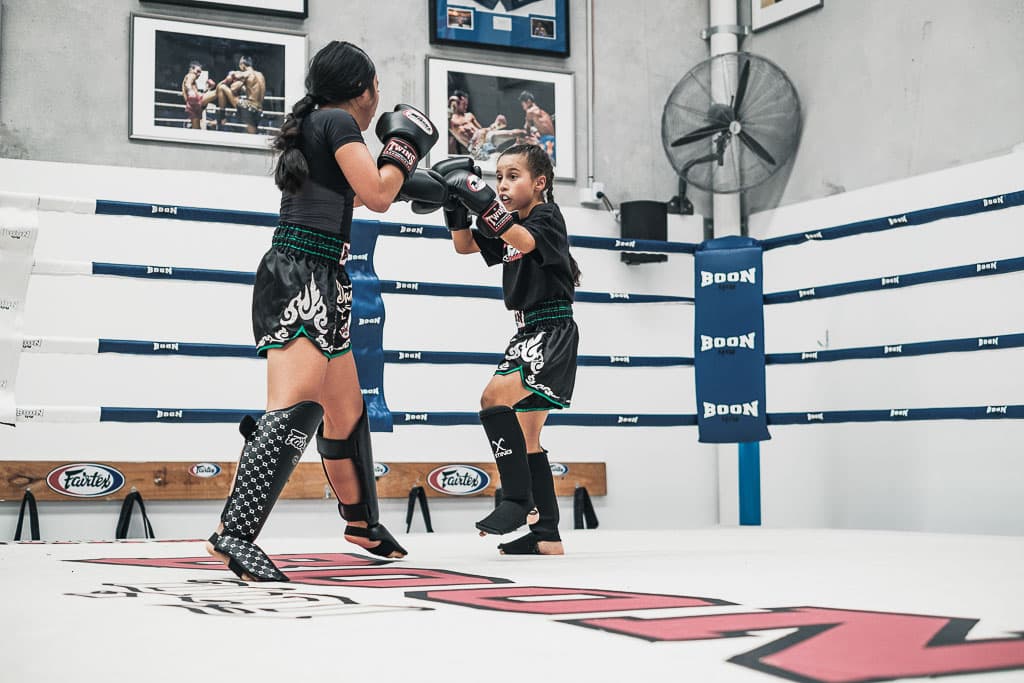
A real Muay Thai room manages contact intensity carefully. Sparring partners are matched by weight and experience, head and shin contact is reduced for technical rounds, and full-contact sparring is reserved for fighters preparing for a bout. If a gym lets new members spar hard with experienced fighters early, the room is mismanaged. The good Perth Muay Thai rooms in this directory all gate contact behind clear progression.
Choosing the right Perth Muay Thai gym
Pick on three things in this order. Proximity, because consistency beats intensity over a year. Head coach background, because a Thailand-trained coach will programme different technical priorities than a Western coach with an MMA background, and both can be the right pick depending on your goal. Room culture, because Muay Thai cultures vary widely between fitness-format and fight-team rooms.
Suburbs with the most Muay Thai gyms in this directory include Perth CBD, Joondalup and a couple of southern corridors. Use the facet strip above this content to filter by suburb, then compare two or three rooms with the inline comparison block on each gym detail page. Free trials and intro offers cost less than picking the wrong gym and paying out a six-month direct debit.
Gear required to start
For a first Muay Thai class, expect to need hand wraps, around $10 to $20, and shorts you can move in. Most beginner-friendly Perth gyms loan gloves and shin guards on a trial or first month. After committing, expect to invest in your own 14 to 16 ounce training gloves, shin guards, a mouthguard and Thai shorts, total around $300 to $400 if you buy decent quality the first time.
Headgear, ankle supports and competition-weight kit are not required for a beginner. Buying high-end gear before you have decided on a gym is the most common beginner mistake. The what-to-wear guide on this site lists exact items and Australian price ranges.
Compiled by Perth Fight Gyms editors. Confirm price and class detail with each gym before signing up.