What kickboxing actually is, and which ruleset you will learn
Kickboxing is a stand-up striking sport combining punches with kicks. Unlike boxing it scores kicks to the legs, body and head; unlike Muay Thai it generally excludes elbows and limits or removes the clinch. There is no single global ruleset, which is the part that confuses beginners: what a Perth gym calls kickboxing depends almost entirely on which lineage the coaching staff trained in.
Three families cover most of what is taught locally. K-1 style allows punches, kicks and knees with a very short clinch, and is the format most Australian kickboxing shows run. Dutch-style kickboxing is a training methodology rather than a ruleset, built on heavy boxing combinations finished with low kicks, and it feeds into K-1 competition. Semi-contact and points kickboxing, closer to a karate lineage, scores clean touches and stops between exchanges. All three are legitimate; they just produce different fighters. Ask a coach which one the room trains before you sign anything.
Kickboxing vs Muay Thai, and why Perth blurs the line
The technical difference is narrow and specific. Muay Thai permits elbows, extended clinch work with knees, and sweeps, and it scores damage and dominance across a round. Kickboxing removes or heavily restricts those tools, scores volume and clean landing more like boxing does, and generally moves at a faster pace because fighters are not being tied up in the clinch.
In practice, most Perth rooms teaching kickboxing also teach Muay Thai, and the two often share mat time, pads and coaches. That is not a shortcut on the gym's part. The stance, the kick mechanics and the pad-holding are close enough that one room can genuinely serve both. What it means for you is that a class advertised as kickboxing may run with Thai rules on clinch nights, or vice versa. If you intend to compete under one ruleset specifically, that is a question worth asking on your first visit rather than assuming.
Why Perth has no kickboxing-only gyms
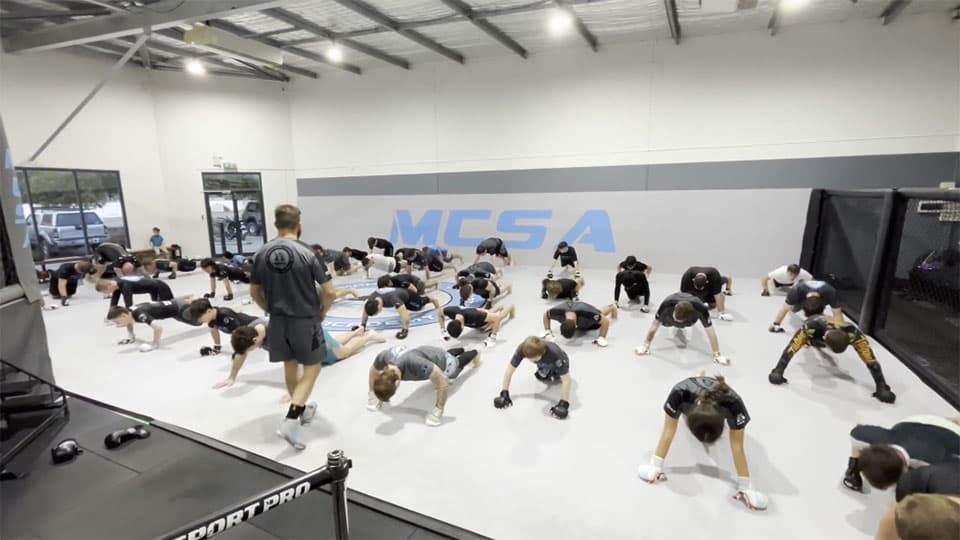
Not one gym verified for this directory teaches kickboxing exclusively. Every room offering it also runs at least one of Muay Thai, MMA, boxing or BJJ alongside. The commercial reason is simple: kickboxing on its own does not fill a timetable in a metro area this size, so the discipline lives inside broader combat-sports academies rather than standalone clubs.
The upside for a beginner is real. Walking into a multi-discipline room means you can try the adjacent arts on the same membership rather than committing to kickboxing before you know whether you prefer it to Muay Thai or boxing. The downside is that kickboxing classes at these gyms are usually fewer per week than the headline discipline, so check the actual timetable rather than the class list on the homepage. A gym that lists kickboxing but runs it twice a week at 6am is a different proposition to one running it daily.
What a first kickboxing class actually looks like
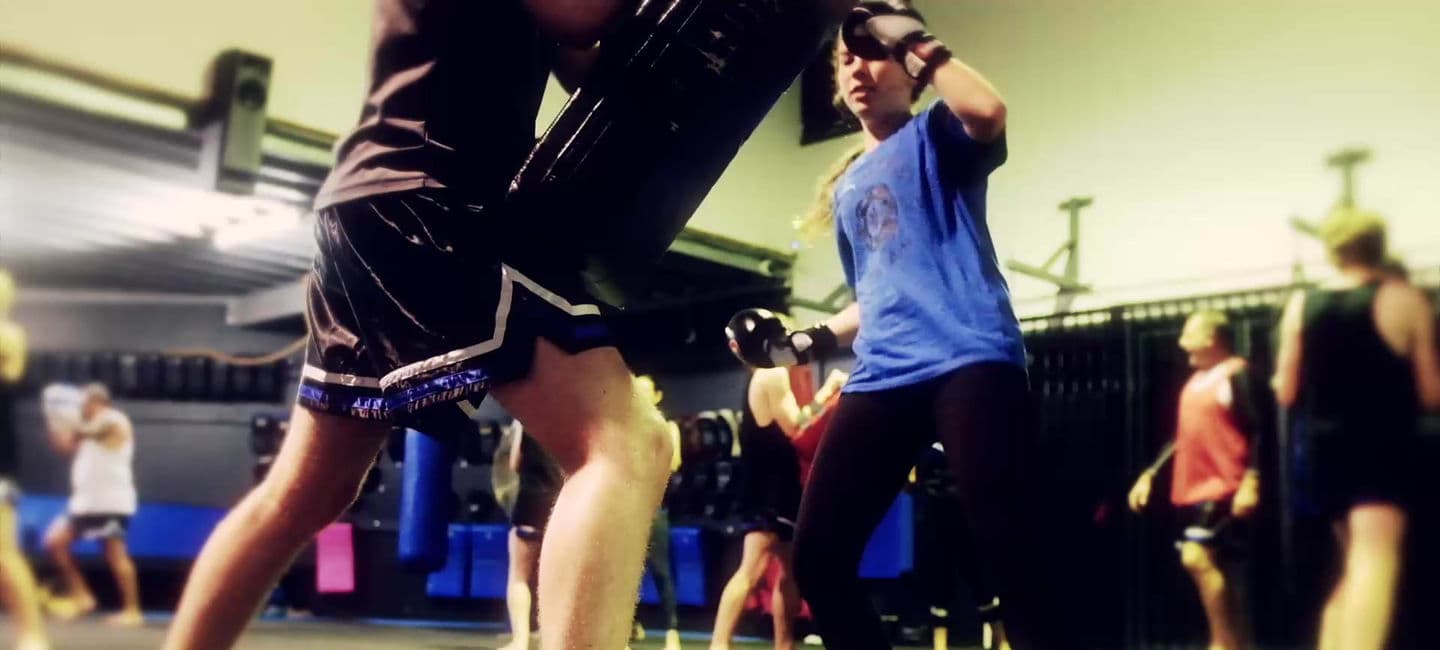
A beginner kickboxing session opens with skipping or shadow work, then a technical block on one or two strikes and the footwork that sets them up. Expect the teep or push kick, the roundhouse and the basic punch combinations early; expect to spend more time than you want on turning your hip over on a kick. Bag rounds and pad rounds fill the middle, conditioning closes it out. Sparring is not part of a genuine first class.
The physical shock for most beginners is shin conditioning and hip mobility rather than cardio. Kicking a heavy bag with an unconditioned shin hurts, and no coach expects you to power through that on day one; light contact and correct technique come first. Wraps and gloves are standard from the start, shin guards once you begin partner drills. Most Perth rooms will lend gear for a trial class, so ask rather than buying a full kit before you know you will stay.
Cardio kickboxing is not the same thing
A large share of what is marketed as kickboxing in Perth is cardio kickboxing: choreographed bag or air work set to music, run as a group fitness class with no technical correction and no partner drilling. It is a genuinely good workout and there is nothing wrong with choosing it. It is simply not the same product as a coached striking class, and the two are frequently advertised with identical wording.
Three signals separate them quickly. A coached room corrects your stance and your kick mechanics individually during the session. It has a visible progression, with beginners streamed differently from experienced members. And it runs partner work with pads held by people rather than everything on a bag or in the air. If a timetable lists the class alongside spin and HIIT, you are looking at fitness-first. If it sits alongside sparring and competition training, you are looking at a coaching room.
What kickboxing costs in Perth
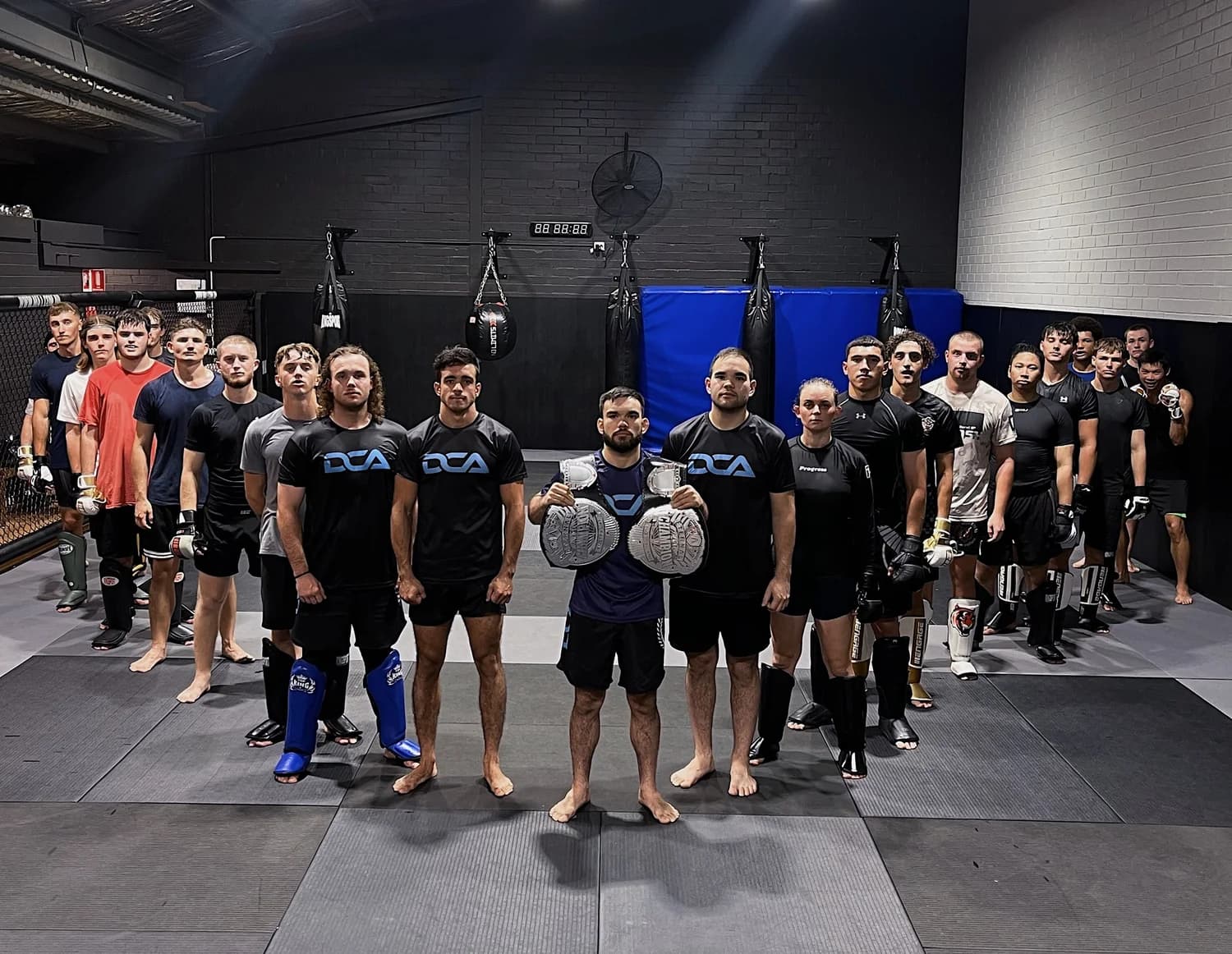
Pricing transparency for kickboxing in Perth is poor. Only one of the kickboxing gyms in this directory publishes rates on its own website: DCA MMA, at $39 to $49 a week across four tiers with casual classes $25 to $35, verified from their public site in April 2026. The remaining rooms release pricing only by phone or after a walk-in tour.
Because kickboxing is almost always bundled into a multi-discipline membership, the number you should ask for is the all-access weekly rate rather than a kickboxing-only rate, which many gyms do not offer at all. The price comparison tool on this site aggregates every published tier across the directory so you can see the metro range before you make the call. Prices move; confirm with the gym before signing.
Compiled by Perth Fight Gyms editors. Confirm price and class detail with each gym before signing up.